
Views: 0 Author: Site Editor Publish Time: 2026-03-13 Origin: Site


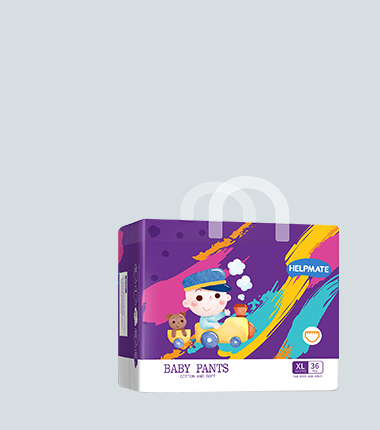
People use the same words, but they don’t mean the same thing. So, is training pants the same as Pull-Ups, or are they different from Baby Training Pants?
In this guide, you’ll learn the real differences in absorbency, wetness feedback, and best-use moments. You’ll also see how to choose the right option without slowing potty progress.
The word “training pants” is used in two different ways. Some people mean reusable cloth training underwear. Others mean disposable pants that look like Pull-Ups. Brands also use “training” on packs to sound helpful. That wording can raise expectations and cause returns later. Parents may expect faster potty learning just from the product. Buyers may expect one SKU to fit every use case. We should treat the label like a clue, not a promise. When you check the design, the differences become clear.
Pull-Ups are usually disposable, and they behave like diapers. They aim to keep clothes and beds dry during accidents. They also make changes easier once toddlers stand and move. Many versions add tear-away sides for messy cleanups. They shine during travel, daycare, naps, and nighttime protection. They also help kids practice pulling up and down. Still, they absorb quickly, so kids may not feel wetness much. That matters if your goal is faster daytime learning.
Baby Training Pants usually focus on learning feedback. Many reusable versions feel closer to underwear than diapers. They often include light padding to catch small leaks. Their core goal is not “staying dry all day.” Their goal is helping kids notice wetness and react sooner. That wet feeling can build awareness and timing. It can also push more potty trips and fewer full accidents. Some disposable training pants also exist, but many keep absorbency lower. That design choice supports learning, yet it increases laundry risk.
Absorbency changes how kids learn. High absorbency can protect floors and car seats better. It can also reduce the “I feel wet” signal. Low absorbency can create stronger feedback and faster learning. It can also create more outfit changes early on. We should match the product to the goal for that day. If you want practice at home, Baby Training Pants can help. If you want protection on a long ride, Pull-Ups often fit better. When you mix them, keep the rules clear for your child.
Fit and containment matter, especially for poop accidents. Pull-Ups often contain mess better than light trainers. They usually have stronger leak guards and a diaper-like core. Baby Training Pants can leak sooner during full voids. They work best for small accidents and quick potty access. Fit also differs in daily use. Pull-Ups aim for a snug seal during movement. Training pants aim for comfort and easy pull-down practice. If your child has frequent poop accidents, protection should lead your choice. If poop is rare, learning feedback can lead.
Here is the simplest rule you can remember. Pull-Ups mainly protect clothes, beds, and public spaces. Baby Training Pants often teach by letting kids feel wet sooner. Many families use both, depending on the moment. They use trainers at home for practice blocks. They use Pull-Ups for naps, nights, and travel. That blended approach can reduce stress and keep progress moving. If you choose only one product, choose based on your biggest pain point today.
Feature | Baby Training Pants | Pull-Ups |
Main purpose | Learning feedback and practice | Protection and convenience |
Typical absorbency | Light to moderate | Moderate to high |
Wetness feel | More noticeable for many kids | Less noticeable for many kids |
Best for | Home practice and short windows | Outings, naps, and nights |
Cleanup during poop | Often harder and leak-prone | Often easier and more contained |
Tip:Retail buyers should label use cases clearly to reduce expectation-driven returns.
Stage matters more than age. Early learners benefit from clear feedback and quick potty access. That is where Baby Training Pants can help the most. Mid-stage learners often need fewer backups during the day. They may still need protection during naps and night sleep. Late-stage learners may only need night protection for a while. Pull-Ups fit that night-only stage well for many kids. If your child has many full accidents, start using more protection. If accidents are small dribbles, use more feedback.
Situation changes the best answer quickly. Home practice often supports more learning and more patience. Daycare needs speed, hygiene, and fewer messes for staff. Travel needs protection for seats and limited bathrooms. Naps and nights need longer coverage and fewer wakeups. You can choose one product per situation and keep it consistent. That reduces “mixed signals” for your child. It also reduces stress for caregivers who rotate shifts. Baby Training Pants can stay at home, while Pull-Ups can stay in the go-bag.
Use this simple checklist before you buy a big pack. It keeps decisions practical and calm.
● They stay dry for longer stretches, and they notice body signals.
● They can pull clothes up and down, or they try to do it.
● They show toilet interest, or they accept potty sits.
● Accidents are small leaks, not frequent full voids.
● Caregivers can offer quick potty access during the day.
If most items match, Baby Training Pants can support learning blocks. If most items fail, Pull-Ups may be safer for protection. You can also start mixed use and adjust after one week.
Sticker price is only one part of cost. Baby Training Pants may cost more upfront if reusable. They may save money later if used for months. They can increase laundry time in early weeks, though. Pull-Ups often cost more per disposable unit than diapers. They can save time during outings and daycare changes. They can also prevent bed changes at night, which saves effort. A smart approach is targeted use. Use trainers during practice windows and Pull-Ups during high-risk moments. That mix often controls both cost and stress.
Your goal today | Best choice | Why it fits the goal |
Faster daytime learning | Baby Training Pants | Wetness feedback supports awareness |
Less mess at daycare | Pull-Ups | Containment and quick standing changes |
Fewer night wakeups | Pull-Ups | Longer protection during sleep |
Less laundry at home | Pull-Ups or diapers | Higher absorbency reduces outfit changes |
More independence practice | Baby Training Pants | Easy pull-down and underwear-like feel |
Note:B2B programs often win by selling “stage kits” instead of single, all-purpose packs.
Transitions work best when they feel predictable. Start by choosing one use case for Pull-Ups, like nights or outings. Keep Baby Training Pants for short home practice blocks. Add potty sits at wake-up, before leaving, and before naps. Keep each sit short and calm. Praise effort and routine, not only dry results. If accidents rise, shorten practice windows and add more reminders. If accidents drop, expand practice time slowly. This plan keeps learning clear and avoids confusing product signals.
Kids follow language more than labels. Use simple phrases that match the product role. Try “These are for practice” for training pants at home. Try “These are for sleep” for Pull-Ups at night. Avoid long explanations during accidents. Keep it short and supportive, then move on. Say “Let’s try again” instead of “You should know better.” That tone keeps confidence intact. Confidence drives more tries and fewer power struggles. When caregivers share the same phrases, kids learn faster. This matters even more in daycare and shared custody routines.
Mistakes happen, and fixes can be quick. The most common error is using Pull-Ups all day without potty practice. That can reduce awareness and slow learning for some kids. Another error is switching rules every weekend. Kids then test boundaries instead of learning signals. A third error is expecting perfect dryness too early. The fix is a steady routine and clear windows. Set timed potty prompts during transitions, like meals and outdoor play. Use Baby Training Pants during practice, then use Pull-Ups during protection windows. Review results after a few days, not after one accident.
Some life events disrupt training quickly. Travel, illness, moving, and new siblings raise stress. Stress often causes more accidents and more refusal. In those moments, pausing can protect confidence. Use protection during the pause, often Pull-Ups, and keep a gentle routine. Keep one or two potty sits per day, without pressure. After life calms down, restart practice blocks using Baby Training Pants again. This reset often feels smoother than pushing through stress. It also protects caregiver patience and the child’s willingness.
Fit drives comfort and leak control in every stage. The waist should sit snug without deep red rings. Leg openings should feel secure but not tight. If Baby Training Pants sag, they may leak sooner. If they are too tight, kids may resist wearing them. Check fit after movement, not only right after dressing. Crawling and climbing reveal gaps quickly. If you see frequent side leaks, size up or adjust the style. If you see gaps at legs, size down or change the cut. Comfort should support independence, not fight it.
Material feel can change a child’s willingness to practice. Soft cotton faces can feel more like underwear. Padding level also matters for learning feedback. Heavy padding can feel safer but reduce wetness awareness. Light padding increases feedback but may cause more outfit changes. Breathability matters in warm weather and active play. Hot, damp skin increases rash risk and discomfort. Choose gentle seams and smooth inner layers to reduce friction. If your child has sensitive skin, avoid strong scents and harsh wipes. Good materials keep practice comfortable and more consistent.
Absorbency should match the training stage and caregiver tolerance. Light absorbency suits short practice blocks and quick potty access. Stronger backup suits daycare, long errands, and early learners. Baby Training Pants often come in different padding levels or styles. You can also use a blended approach across the day. Use lighter trainers at home for feedback. Use stronger protection outside for mess control. If accidents are full voids often, start more protective first. Then step down absorbency once control improves. This step-down approach often feels easier for both kid and caregiver.
Customization usually targets a specific channel need. custom Baby Training Pants can include tailored sizing ranges and fit cuts. It can also include padding level targets for learning stage. Some buyers want higher back rise for better poop containment. Others want slimmer profiles for retail aesthetics. Packaging and labeling are common custom requests too. Daycare programs may need faster tear sides or stronger seams. Export markets may need multilingual packs and clear icons. The best custom work starts from the use case, not only the unit price. When specs match real routines, complaints drop.
Buyers should confirm the specs that drive real satisfaction. Confirm leak containment during small accidents and movement. Confirm wetness feel and how quickly it transfers to the liner. Confirm seam strength during pull-down and standing changes. Confirm elastic recovery after repeated stretches. Confirm skin comfort under heat and sweat. Also confirm size consistency across cartons and lots. These checks reduce negative reviews and customer support time. Ask suppliers how they test each spec and how often. Request acceptance ranges, not only “pass” statements. This helps you hold quality stable at scale.
Sampling reduces risk more than any brochure claim. Request a full size set and test across body shapes. Test during active play, nap time, and daycare-like routines. Track leak frequency, red mark reports, and ease of changing. Track child independence and willingness to pull down. Collect caregiver notes, since they see patterns first. Run pilots long enough to include busy days and calm days. Then compare results across sizes and padding levels. Use pilot feedback to adjust specs for custom Baby Training Pants. This approach improves repeat orders and reduces returns.
Packaging is part of product performance in retail. Weak packs break trust even if the pants work well. Confirm lot codes for traceability and complaint handling. Confirm carton markings and pack counts stay stable. Confirm label claims match the real performance target. Avoid vague “potty training guarantee” claims that create disputes. Confirm language requirements for your target market shelves. Confirm storage guidance, since heat can damage elastic over time. Compliance needs vary by market, so confirm early. Good labeling and traceability reduce friction across distribution.
Buyer focus | What to confirm | Why it reduces risk |
Use case clarity | Day learning vs night protection positioning | It reduces wrong-product complaints |
Sizing consistency | Tolerance ranges and size ladder stability | It reduces fit-driven returns |
Wetness feedback level | Padding target and liner feel | It supports training expectations |
Durability | Seam strength and elastic recovery | It reduces tearing complaints |
Traceability | Lot codes and carton marks | It speeds root-cause analysis |
Tip:B2B teams should lock one “use case claim” per SKU to avoid mixed expectations.
They are not always the same. Pull-Ups focus on protection and speed. Baby Training Pants focus on wetness feedback and learning.
For reliable sourcing, buyers work with Quanzhou Tianjiao Lady & Baby's Hygiene Supply Co., Ltd.. They support custom Baby Training Pants options. They also offer stable OEM/ODM service and consistent delivery.
A: Not always. Baby Training Pants often give more wetness feedback, while Pull-Ups focus on stronger protection.
A: Baby Training Pants work well for home practice blocks, when you want kids to notice small accidents sooner.
A: Choose Pull-Ups for daycare, travel, naps, and night protection when you need faster changes and fewer messes.
A: For some kids, yes. Baby Training Pants can speed awareness because they feel wetter than high-absorbency options.
A: Size up for better leg fit, shorten wear time, or switch to Pull-Ups during outings and sleep.
