
Views: 0 Author: Site Editor Publish Time: 2025-09-19 Origin: Site


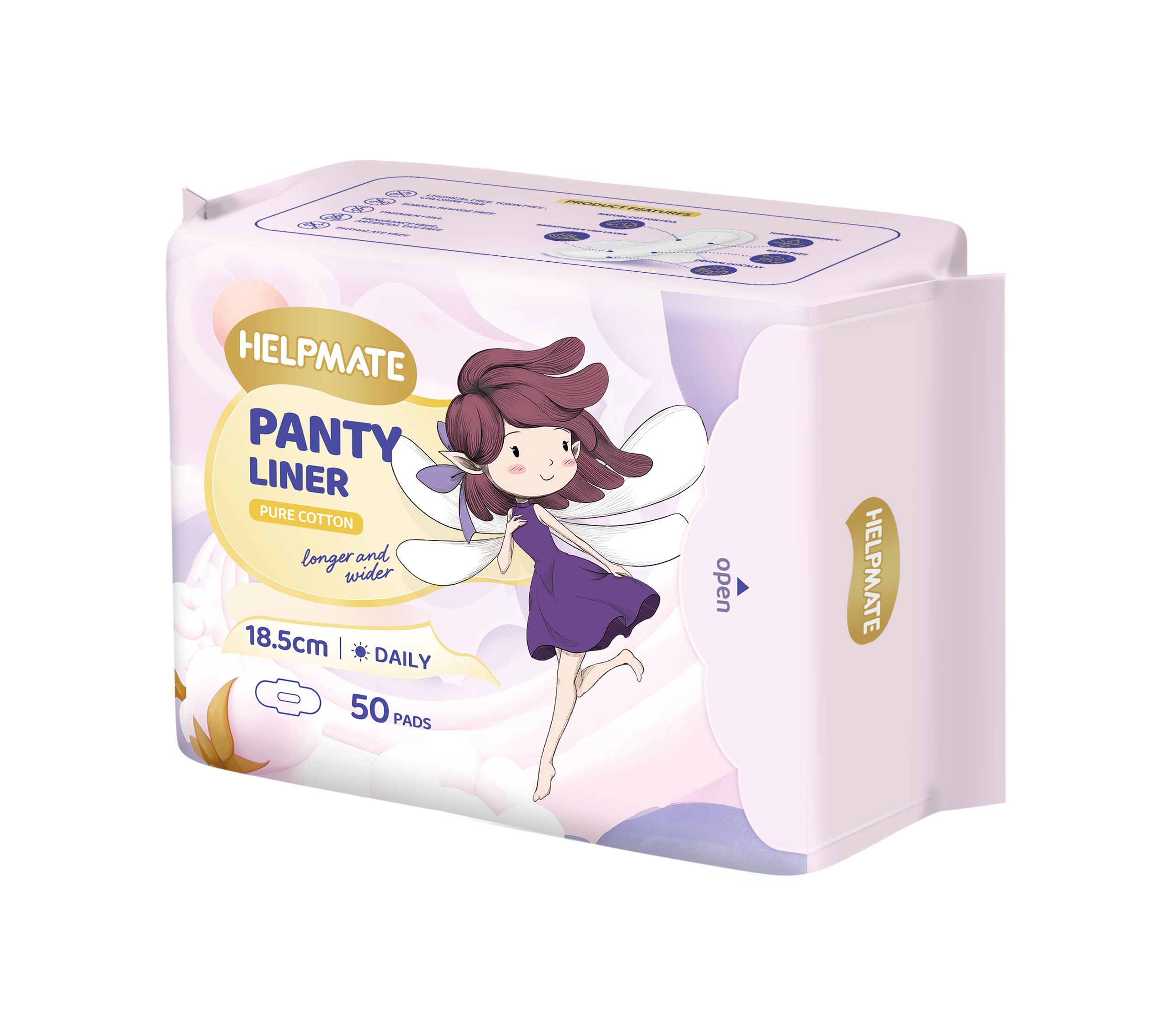
You may wonder if there is a difference between sanitary pads and Sanitary Napkins. The answer is simple: both terms describe the same product used during menstruation. When you understand the correct terminology, you can make better choices for your menstrual hygiene. Knowing what to look for helps you stay comfortable and protected throughout menstruation.
Sanitary pads and sanitary napkins are the same product. Both terms refer to absorbent items used during menstruation.
When choosing menstrual products, focus on absorbency, comfort, and fit. These features ensure you stay dry and comfortable.
Sanitary pads come in various sizes and absorbency levels. Select the right type based on your flow to prevent leaks.
Consider eco-friendly options like reusable pads if you want to reduce waste. They can also save you money over time.
Regularly changing your pad every 4 to 6 hours helps prevent irritation and keeps you feeling fresh.
Sanitary napkins are absorbent items that you wear during menstruation. Their main purpose is to absorb and retain menstrual fluid, keeping you dry and comfortable. Health organizations include sanitary napkins in a broad category of menstrual products, such as reusable cloth pads, commercial sanitary pads, tampons, and even pads made from banana fiber or water hyacinth. You will find that sanitary napkins come in disposable and reusable forms, but most people use disposable versions for convenience.
Manufacturers design sanitary napkins to prevent leakage, control odor, and provide a high level of hygiene. You can see these features in the table below:
Function/Purpose | Important Properties |
|---|---|
Absorb and retain menstrual fluid | No leakage, aesthetic appearance, odor control, comfort, high level of hygiene |
Isolate menstrual fluids from the body | Comfortable to wear (thin body shape), stay in place, no noise |
Sanitary napkins have a long history. The term 'sanitary' reflects a shift toward cleaner menstrual products. Nurses in France created the first disposable pads using wood pulp bandages in the late 19th century. Commercial pads like the Southball pad appeared in 1888, and Johnson & Johnson introduced Lister’s Towel in 1896. During World War I, nurses discovered that cellulose worked better for absorption, leading to the first cellulose Kotex sanitary napkin in 1918.
You may notice regional differences in the use of sanitary napkins. For example, in Bangladesh, usage varies by district due to climate, literacy rates, and cultural practices. Some areas show lower usage, while others, like Rangamati and Khagrachari, have higher rates because of greater awareness and less social stigma.
Sanitary pads serve the same function as sanitary napkins. You wear sanitary pads to absorb menstrual fluid and stay comfortable throughout your period. The term 'sanitary pad' first appeared in 1890, describing a clean alternative to reusable rags. Early pads faced commercial challenges because people felt embarrassed buying products that referenced menstruation. Over time, the design improved, moving from belted versions to adhesive strips for easier use.
Sanitary pads are available in many shapes, sizes, and absorbency levels. You can choose pads that fit your flow, whether you need extra protection at night or a thinner pad for daytime use. Popular brands include Always, Kotex, Laurier, Stayfree, Sofy, and Nua. These brands offer a wide range of sanitary pads to meet different needs.
Disposable pads are often labeled as sanitary napkins, which can cause confusion. Some people believe these products are sterile because of their packaging, but this is not always true. The terms 'sanitary' and 'sterile' are different, so you should focus on product safety and hygiene rather than labeling.
You might wonder if there is any real difference between sanitary napkins and sanitary pads. In practice, both terms refer to the same product. Manufacturers and health organizations use these terms interchangeably. Whether you see 'sanitary napkin' or 'sanitary pad' on the packaging, you are looking at an absorbent item designed to keep you comfortable and protected during menstruation.
Tip: When choosing menstrual products, pay attention to features like absorbency, comfort, and fit. The name on the package matters less than how well the product meets your needs.
You will find that pads come in many varieties, including those made from cloth, cellulose, banana fiber, and even water hyacinth. The most important thing is to select pads that suit your lifestyle and flow level.
When you choose pads, you want to know what materials help keep you dry and comfortable. Most pads use a combination of layers to manage menstrual flow. The top layer, which touches your skin, often uses hydrophilic non-woven fabric, cotton, or polyethylene. This layer lets moisture pass through quickly. The absorbent core sits beneath the top layer and holds the liquid. Manufacturers use fluff pulp and superabsorbent polymers (SAP) in the core. These materials trap fluid and prevent leaks. Some pads also include airlaid paper for extra softness, making them suitable for sensitive skin.
Fluff pulp: Made from wood fibers, it absorbs liquid fast.
Superabsorbent polymers (SAP): These tiny beads can hold large amounts of fluid.
Airlaid paper: Soft and gentle, it adds comfort.
Dry soft topsheet: Keeps the surface dry and breathable.
Pads with these materials offer reliable absorbency and help you stay confident during your period.
Pads come in many designs to fit your body and lifestyle. Soft, breathable materials in the top layer reduce irritation and help prevent rashes. The shape of pads allows them to move with your body, so you can walk, run, or sleep without discomfort. Many pads have wings and adhesive strips that attach securely to your underwear. This design keeps the pad in place and reduces the chance of leaks. Some users report that pads feel thick, but most find them comfortable and effective.
Tip: Look for pads that match your activity level and skin sensitivity for the best comfort.
User Comment | Rating |
|---|---|
Find it a bit thick but it is comfortable enough | 4/5 |
I really feel good and comfortable, will continue to using this brand | 5/5 |
This helps ease the itch during menstrual. | 5/5 |
Pads come in different sizes and absorbency levels to match your menstrual flow. You can choose from panty liners for spotting, regular pads for moderate days, and extra-large or overnight pads for heavy flow. The right size helps you avoid leaks and stay comfortable.
Pad Type | Typical Flow Level | Best For |
|---|---|---|
Panty Liner | Spotting, Daily Discharge | Non-period days, backup |
Light/Slender | Light Flow | Beginning/end of period |
Regular | Moderate Flow | Average days |
Heavy/Super | Heavy Flow | First 1-2 days |
Overnight | Very Heavy/All Night | Sleeping, extended wear |
Pads are a popular choice among absorbent products because they offer options for every need. By picking the right pad for your menstrual flow, you can feel secure and comfortable all day.
Many people believe there are differences between sanitary pads and sanitary napkins. In reality, these terms describe the same product. You might see "sanitary pad" used more often in the United States, while "sanitary napkin" appears in Great Britain. Both offer the same level of protection and use similar materials. No matter which term you see, you get a product designed for menstrual flow management.
Health professionals explain that the difference is mostly historical and based on language. "Sanitary napkin" is an older term that highlights hygiene, while "pad" is a newer word that focuses on function. Today, you can use either term when shopping for menstrual products. Both provide comfort and absorbency during your period.
Tip: Do not let the name confuse you. Focus on the features and benefits that matter most for your comfort and protection.
When you choose menstrual products, you should think about your needs and lifestyle. Here are some important factors to consider:
Flow level: Pick sanitary pads with the right absorbency for your menstrual flow. Light, regular, and heavy options help you stay protected.
Comfort: Look for pads made from soft materials. The size and shape should fit your body and daily activities.
Sustainability: If you care about the environment, try eco-friendly pads or reusable menstrual products.
You can also choose from other menstrual products like tampons, menstrual cups, and period underwear. Each type offers different benefits for comfort and hygiene.
Cultural attitudes can affect your choices. In some places, people feel embarrassed when buying pads. In others, women prefer extra-long or highly absorbent pads for better protection. Your personal experience and cultural background may guide your decision.
Here is a chart showing how people in Taiwan choose menstrual products and what they value most:
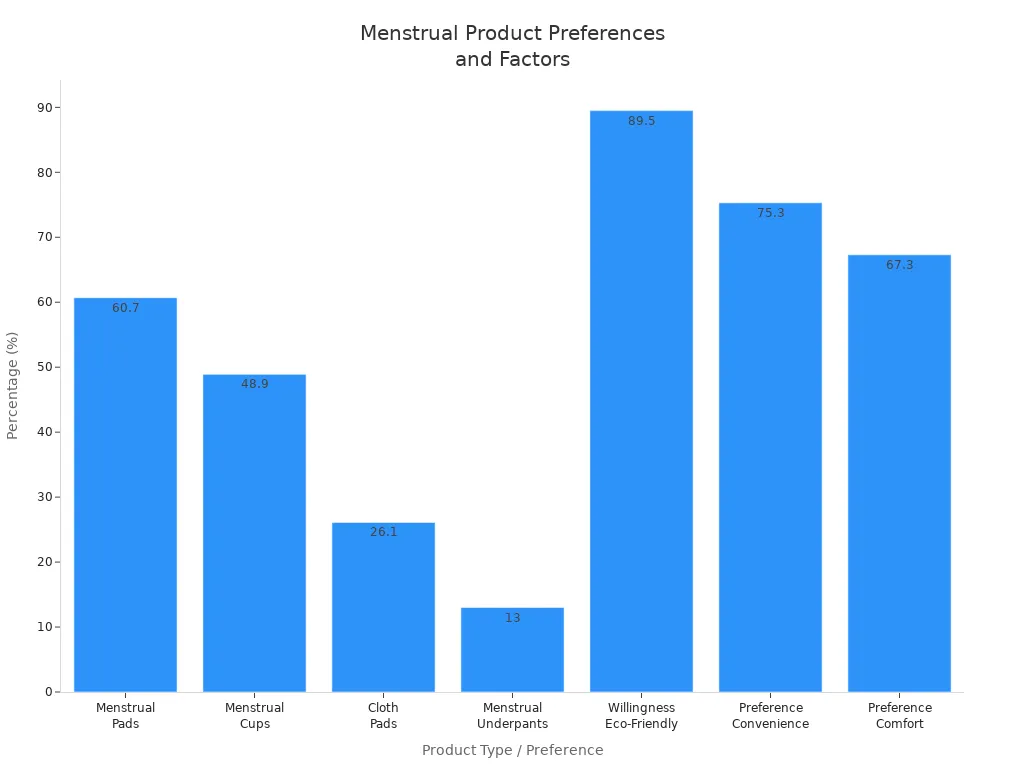
Health organizations recommend that you always have access to clean pads, privacy for changing, and safe places for disposal. Good hygiene helps you manage your period with confidence and dignity.
Note: Choosing the right sanitary pads can help you feel comfortable, stay dry, and protect your health during your menstrual cycle.
You now know that sanitary pads and sanitary napkins mean the same thing. Many people and health organizations use these terms interchangeably. When you shop for sanitary napkins, focus on features like absorbency, comfort, and leakage prevention.
Product features such as absorbency, comfort, and usability shape your satisfaction.
Regularly changing sanitary napkins helps prevent irritation and infection.
Aspect | Description |
|---|---|
Global Standards | Experts set standards to ensure quality and safety for all menstrual products. |
Choose sanitary napkins, tampons, or menstrual cups based on what feels best for you. Your comfort and health matter most.
You use menstrual pads to absorb menstrual fluid during your period. They help you stay dry and comfortable. Pads come in different sizes and absorbency levels, so you can choose one that fits your needs best.
Yes, you can use reusable sanitary pads. You wash and dry them after each use. Many people choose them for environmental reasons. They can save you money over time and reduce waste.
You should change your menstrual pad every 4 to 6 hours. If you have a heavier flow, you may need to change it more often. Regular changing helps prevent leaks and keeps you feeling fresh.
Most menstrual pads use soft, skin-friendly materials. If you have sensitive skin, look for pads labeled as hypoallergenic or fragrance-free. These options can help reduce irritation and keep you comfortable.
If you notice irritation, try switching to a different brand or type. Choose pads made for sensitive skin or try reusable sanitary pads. If irritation continues, talk to a healthcare provider for advice.
