
Please Choose Your Language
Views: 0 Author: Site Editor Publish Time: 2026-04-22 Origin: Site


Changing your baby’s diaper seems simple, but how often should it really be done? Did you know that leaving a diaper on too long can lead to rashes or infections?
Regular diaper changes are crucial for your baby’s skin health, comfort, and hygiene. In this post, we’ll discuss the importance of timely diaper changes, how often you should change your baby’s diaper, and tips to avoid diaper rash. You’ll also learn about the best practices to keep your baby comfortable and clean.
Changing your baby's diaper isn’t just about keeping them clean—it's about ensuring their overall health and comfort. Let’s take a look at why regular diaper changes are critical for preventing discomfort and serious health issues.
One of the most common problems caused by infrequent diaper changes is diaper rash. When a baby wears a wet or soiled diaper for too long, the prolonged exposure to moisture irritates their sensitive skin. Here's how it happens:
Moisture builds up: A wet diaper creates a warm, damp environment where bacteria thrive, leading to skin irritation.
Friction from the diaper: A tight-fitting or wet diaper rubbing against your baby's skin can cause friction, worsening rashes.
Harmful chemicals: Some diapers contain chemicals or fragrances that can further irritate the skin when left on for too long.
By keeping your baby’s skin clean and dry, you prevent these issues and ensure their skin stays healthy. Using a diaper that offers breathability and high absorbency can make a huge difference, as it keeps moisture away from the skin for longer.
Another reason for timely diaper changes is to reduce the risk of urinary tract infections (UTIs). This is particularly important for baby girls, whose anatomy makes them more vulnerable to infections. Soiled diapers can introduce harmful bacteria to the sensitive genital area, leading to infections.
Bacteria in stool: When your baby has a bowel movement, stool in the diaper is filled with bacteria. If left for too long, these bacteria can cause UTIs.
Preventing infection: Changing diapers promptly helps to remove bacteria from your baby's skin before it can cause harm.
In fact, frequent diaper changes can drastically lower the chances of UTIs and other skin infections. Ensuring proper hygiene during diaper changes—like wiping from front to back—further reduces the risk of infection.
Babies need good sleep to grow and develop, and a wet or soiled diaper can disrupt their rest. The comfort of your baby during naps and nighttime is deeply affected by how often you change their diaper.
Discomfort during sleep: A wet diaper can make your baby feel uncomfortable, causing them to wake up frequently, disrupting their sleep cycle.
Longer sleep stretches: Babies often sleep longer during the night, and using high-absorbency diapers can help avoid waking up due to a wet diaper.
It's also important to note that diapers designed for overnight use offer extra absorbency and can last up to 12 hours, which can keep your baby comfortable throughout the night without frequent changes.
Diaper Change Frequency | Age Group | Recommended Change Interval |
Newborn (0-2 months) | Newborns | Every 2–3 hours during the day |
Infant (2-6 months) | Infants | Every 3–4 hours during the day |
Older Baby (6+ months) | Older babies | Every 4–6 hours during the day |
By paying attention to these factors, you not only protect your baby from discomfort and infections but also ensure they have better, more restful sleep.
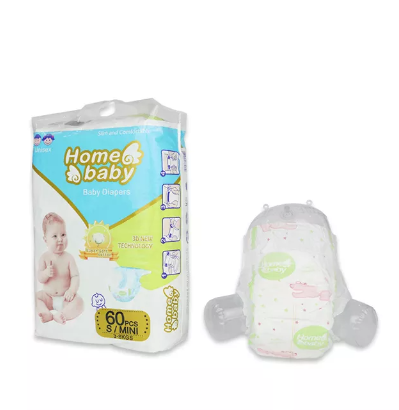
Understanding when to change your baby’s diaper is essential for maintaining their skin health and comfort. As your baby grows, the frequency of diaper changes changes too. Here’s a simple guide on how often you should change your baby’s diaper based on their age.
For newborns (0-2 months), diaper changes need to be frequent. At this stage, babies have tiny bladders and they often have frequent bowel movements. Here's what you need to know:
Change frequency: Newborns should have their diapers changed every 2-3 hours, or immediately after every feeding.
Wetness indicators: Many modern baby diapers come with wetness indicators that change color when the diaper is wet. This is a helpful feature to spot when it's time for a change.
Bowel movements: Always change the diaper after a bowel movement, as staying in a soiled diaper can irritate their sensitive skin.
This is crucial not only for hygiene but also to ensure your baby feels comfortable throughout the day and night.
As your baby grows into the infant stage (2-6 months), their bladder capacity increases, and they tend to have fewer bowel movements. Here’s how diaper changes shift during this period:
Change frequency: At this age, diaper changes are typically needed every 3-4 hours during the day.
Longer sleep stretches: As your baby begins to sleep for longer periods, you may adjust the diaper change frequency accordingly. If your baby is using a high-absorbency diaper, they may comfortably sleep through the night without needing a change.
Fewer bowel movements: During this stage, babies may have fewer bowel movements compared to newborns, which means diaper changes may not always be as frequent.
With the increased capacity of their bladder, you won’t need to change the diaper as often. However, keeping an eye on their wetness indicator and the diaper’s feel is still important.
As babies reach the 6-month mark, diaper changes can be spaced out even further. Here’s what to expect at this stage:
Change frequency: For older babies (6 months and beyond), the recommended frequency is every 4-6 hours. By now, their bladder can hold more urine.
Solid foods and their impact: Introducing solid foods at this stage leads to changes in both the frequency and consistency of bowel movements. You may notice your baby requires more frequent changes due to firmer stools.
Comfort: As your baby starts to move around more, you’ll want to ensure their diaper fits properly to prevent leaks and maintain comfort.
At this stage, it’s all about maintaining a balance between keeping your baby comfortable and ensuring that their diaper remains dry to avoid skin irritation.
Baby’s Age | Diaper Change Frequency | Key Considerations |
Newborn (0-2 months) | Every 2–3 hours | Immediate change after each feed |
Infant (2-6 months) | Every 3–4 hours | Watch for longer sleep stretches |
Older Baby (6+ months) | Every 4–6 hours | Adjust for solid foods and bladder capacity |
As babies grow, their diaper needs change. Understanding these stages helps you adjust the frequency and type of diaper to meet your baby’s evolving needs.
Knowing when to change your baby's diaper is crucial for their comfort and health. While a clock can help, being able to spot the right signs ensures that you’re always ready when it’s time for a change.
The most obvious way to tell if it’s time to change a diaper is by checking the wetness indicator or the diaper’s weight. Here’s what to look for:
Wetness Indicator: Many modern baby diapers come with a built-in wetness indicator that changes color when it’s time for a change. When the indicator turns blue or green, it’s a good sign the diaper is wet.
Weight and Swelling: A full diaper will feel noticeably heavier and swollen. Gently press on the diaper to feel for any bulging, which indicates that it has absorbed a significant amount of moisture.
Visual Check: If the diaper is soiled, it will be visibly dirty or have a noticeable odor. Always check the diaper before assuming it’s only wet.
These are the easiest and most reliable signs to help you decide when it’s time for a change.
Diaper rash is one of the most common issues that arise when diapers aren’t changed frequently enough. Here’s how to spot the signs and prevent discomfort:
Signs of Diaper Rash: Redness, inflamed skin, or bumps around the diaper area indicate diaper rash. This can occur if a diaper is left on too long, causing moisture to irritate the skin.
Preventing Rash: To avoid diaper rash, always change the diaper when wet or soiled. Keeping your baby’s skin dry is key to preventing irritation.
Soothing Irritation: If your baby’s skin is irritated, use a diaper rash cream or ointment. Be sure to clean and dry the area gently before applying any cream. A good barrier cream can also prevent further irritation.
Preventing rash and skin discomfort is crucial for your baby's well-being, and regular diaper changes play an essential role.
Sometimes, your baby will let you know it’s time for a diaper change without any obvious signs. Babies are very expressive, and their behavior can be a helpful cue:
Restlessness and Fussiness: If your baby is suddenly fussy or seems uncomfortable, check the diaper. Wet or soiled diapers often make babies uneasy, causing them to cry or act out.
Crying for Attention: Babies who are old enough to express discomfort may cry when they need their diaper changed. If their cry doesn’t settle after feeding or a nap, it could be a sign of a wet diaper.
Leg Pulling or Squirming: Babies often squirm or pull their legs when they’re uncomfortable. This could mean the diaper is either too tight or wet and needs to be changed.
Your baby’s behavior is one of the best indicators of when to change a diaper, so make sure to watch for these subtle signs.
Signs of a Full Diaper | What to Look For |
Wetness Indicator | Color changes to blue or green |
Full or Heavy Diaper | Diaper feels heavy, swollen, or bulging |
Visible Soiling | Diaper is visibly dirty or has a strong odor |
By paying attention to these cues, you can ensure your baby stays clean, comfortable, and rash-free.
Timely diaper changes are crucial for your baby’s health, comfort, and skin protection. Keeping a consistent schedule prevents discomfort, rashes, and infections.
Make sure to stay vigilant for signs that indicate it’s time for a change, like a full diaper, skin irritation, or discomfort.
We’d love to hear about your diapering experiences! Share your tips or challenges in the comments.