
English
Please Choose Your Language
Views: 0 Author: Site Editor Publish Time: 2025-09-18 Origin: Site


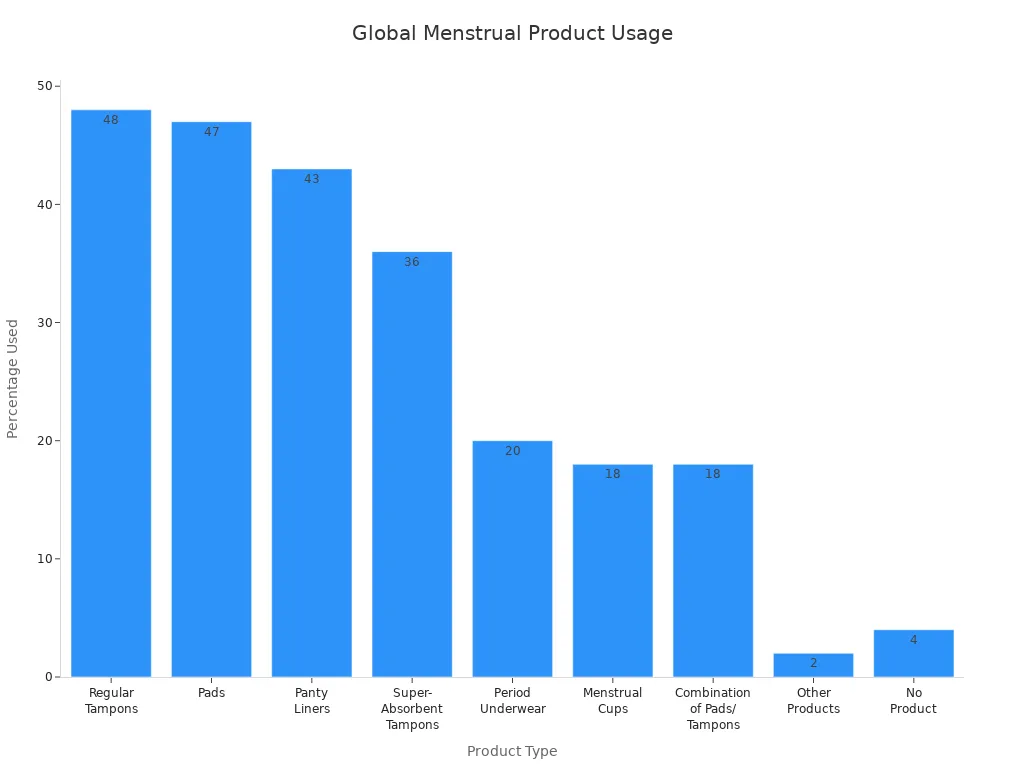
You decide if tampons or Sanitary Napkins fit your needs best. Both products offer unique benefits. Comfort, safety, convenience, and your lifestyle matter most in making this choice. Personal preferences, culture, and activity level influence what feels right for you. Many people experience discomfort or rashes with pads, while others prefer tampons for sports or daily use. Globally, the split between tampons and pads is nearly equal:
Product Type | Percentage Used |
|---|---|
Regular Tampons | 48% |
Pads | 47% |
No single product works for everyone. You can explore both to find your best fit.
Both tampons and sanitary napkins have unique benefits. Choose based on your comfort, lifestyle, and personal preferences.
Sanitary napkins are easy to use and provide external protection. Tampons offer discreetness and freedom of movement, especially for active lifestyles.
Regularly changing your product is crucial for comfort and health. Sanitary napkins should be changed every 3-4 hours, while tampons need changing every 4-6 hours.
Consider the environmental impact of your choice. Organic and reusable options can help reduce waste and are often gentler on sensitive skin.
Experiment with both products to find what works best for you. Many people use a combination of tampons and pads depending on their activities and flow.
Choosing between sanitary napkins and tampons starts with understanding what each product is and how it works. You use these products to manage menstrual flow, but they differ in design, materials, and application. Both options aim to keep you comfortable, dry, and confident throughout your period.
Sanitary napkins are absorbent pads that you wear inside your underwear. You rely on them to catch and hold menstrual fluid outside your body. Most sanitary napkins feature several layers:
Absorbent Core: Made from wood pulp, cellulose, or cotton. This layer soaks up menstrual fluid and keeps you dry.
Top Layer: Usually made from polypropylene or polyester. It feels soft against your skin and helps wick moisture away.
Bottom Layer: Often constructed from polyethylene film or nonwoven fabric. This layer prevents leaks and protects your clothing.
Adhesives: Acrylics or rubber-based materials keep the pad securely in place.
Some sanitary napkins include fragrance or antibacterial agents for added freshness. You find many brands and styles, such as ultra-thin, maxi, winged, and overnight pads. Popular brands include U by Kotex, Laurier by Kao Corporation, Playtex Active by Edgewell Personal Care, and Stayfree Comfort by Johnson & Johnson. Many brands now offer organic cotton options for those seeking eco-friendly choices.
Brand Name | Distinguishing Features |
|---|---|
U by Kotex and Thinx | Partnership to increase awareness and eradicate period poverty |
Kao Corporation | "Ultra-Soft Technology" for softness and breathability |
Edgewell Personal Care | Playtex Active pads with moisture-wicking technology |
Unicharm Corporation | "Sofy Air Fit" and "Sofy COOL" for lighter, breathable pads |
Johnson & Johnson | Stayfree Comfort line with "Flexi-Wings" for better fit and protection |
Nua | Eco-friendly, organic cotton pads and subscription service |
Sanitary napkins manufacturers continue to innovate, offering products for different needs and lifestyles. You can search for "sanitary napkins near me" to find local options that suit your preferences.
Tip: If you want a pad that is gentle on sensitive skin, look for organic cotton sanitary napkins. These pads are more environmentally friendly and reduce the risk of irritation.
Tampons are small, cylindrical products that you insert into your vagina to absorb menstrual fluid before it leaves your body. You choose tampons for their discreetness and convenience, especially during sports or swimming. Tampons come in various absorbency levels and applicator types:
Tampon Type | Absorbency Level | Description |
|---|---|---|
Light | Low | Best for spotting or light flow |
Regular | Moderate | Suitable for everyday use |
Super | High | Designed for heavy flow days |
Super Plus/Ultra | Very High | Maximum absorbency for very heavy flows |
Plastic Applicators | N/A | Smooth, easy to grip, ideal for beginners |
Compact Applicators | N/A | Small and discreet, perfect for travel |
Cardboard Applicators | N/A | Eco-friendly, biodegradable, less smooth to insert |
Non-Applicator | N/A | Inserted with fingers, zero plastic waste, compact and discreet |
Organic Cotton Core | N/A | Free of dyes and synthetic fibers, suitable for sensitive skin |
Most tampons use cotton, rayon, or a blend of both. Some include polyester, polyethylene, or polypropylene for added strength and comfort. Organic cotton tampons are available for those who prefer natural materials.
Sanitary napkins and tampons both use absorbent materials to manage menstrual flow, but they function differently:
Sanitary napkins absorb and retain menstrual fluid outside your body. You place the pad in your underwear, and the absorbent core locks in moisture while the bottom layer prevents leaks.
Tampons absorb menstrual fluid inside your body. You insert the tampon into your vagina, where it expands to fit your shape and soak up fluid before it exits.
Both products use superabsorbent materials to prevent leaks and keep you feeling fresh. You need to change sanitary napkins every 3-4 hours, depending on your flow. Tampons require changing every 4-6 hours to avoid leakage and reduce the risk of Toxic Shock Syndrome (TSS).
Product Type | Main Steps |
|---|---|
Sanitary Napkins | 1. Peel off the paper strip to expose the adhesive. |
2. Press the pad into the crotch of your underwear. | |
3. Change every 3-4 hours or more frequently if needed. | |
4. Wrap used pads in toilet paper and dispose of them properly. | |
Tampons | 1. Wash hands and relax. |
2. Sit on the toilet with knees apart. | |
3. Insert the tampon at an angle towards the back. | |
4. Push the absorbent part into the vagina. | |
5. Change every 4-6 hours to avoid leakage and TSS. | |
6. Dispose of the applicator properly. |
You should consider the environmental impact when choosing between sanitary napkins and tampons. Disposable pads can contain up to 90% plastic and may take 500 to 800 years to decompose. Tampons also contribute to plastic waste, especially those with plastic applicators. Organic cotton tampons and pads have a lower carbon footprint, but reusable products like menstrual cups or cloth pads are the most sustainable options.
Note: In the US, 20 billion disposable period products are discarded each year. Choosing eco-friendly sanitary napkins and tampons helps reduce landfill waste and pollution.
Your comfort during your period depends on how each product feels when you wear it. Many people find sanitary napkins soft and gentle, especially if you have sensitive skin. You may prefer them for their simple design and ease of placement. However, wearing a pad for too long can cause skin irritation or rashes. Tampons sit inside your body, so you might not feel them at all when inserted correctly. Some users report discomfort or a foreign body sensation, especially if you are new to tampons. Here are some common complaints:
Infections can occur if you wear a pad or tampon for too long.
Toxic Shock Syndrome (TSS) is a rare but serious risk with prolonged tampon use.
Skin irritation and rashes often result from extended use of pads.
Tip: Change your pad or tampon regularly to avoid irritation and health risks.
You want a product that fits easily into your daily routine. Sanitary napkins are straightforward to use, making them a popular choice for beginners. You simply place them in your underwear and go about your day. Tampons offer freedom of movement and are compact, which makes them ideal for active lifestyles. However, some users find tampons tricky to insert or remove. In consumer studies, over half of users reported difficulty with tampon placement, and about a quarter felt uncomfortable with tampons inside. Still, many appreciate that tampons require less frequent changes and reduce leakage.
Tampons: Offer freedom of movement, compact size, and on-the-go convenience.
Pads: Known for simplicity, comfort, and reliable leak protection.
Reusable pads can be convenient, but you may find washing and drying them challenging, especially outside your home.
You may want to keep your period products private, especially in public settings. Tampons are more discreet than pads because they sit inside your body and do not show through clothing. They also reduce the risk of odor and external contact with menstrual fluid. This makes tampons a preferred choice if you value privacy during your period. Sanitary napkins, while comfortable, can sometimes be visible under tight clothing or make noise when you move.
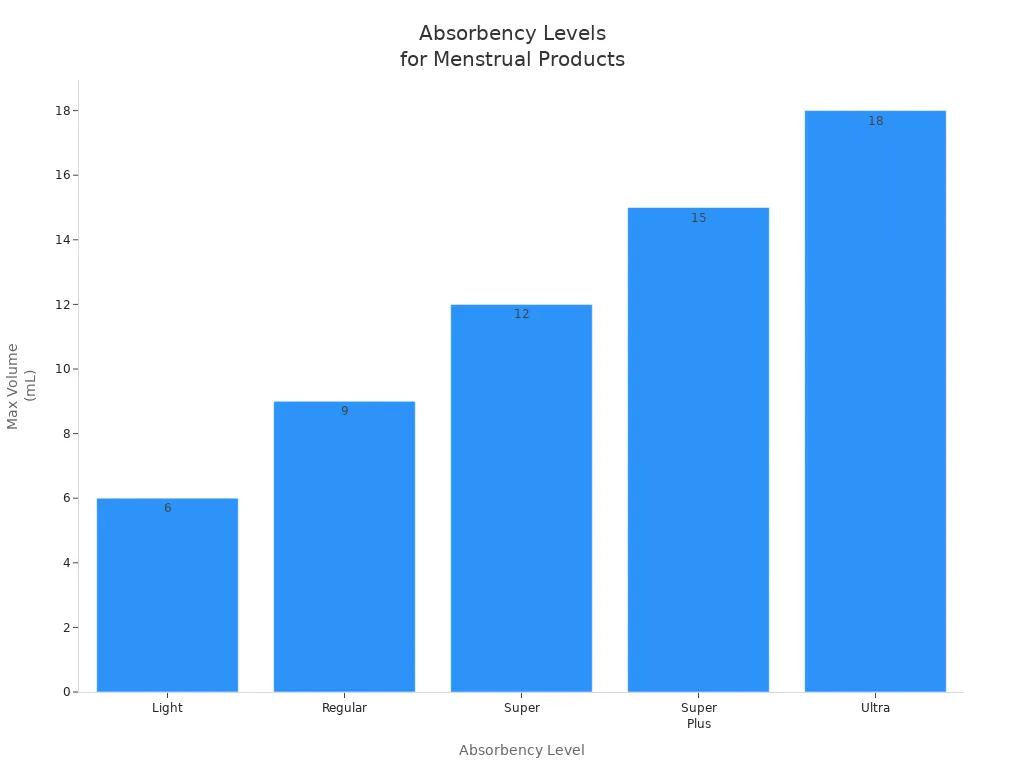
You want a product that matches your menstrual flow. Tampons and pads with heavy or ultra absorbency can hold about 20–50 mL of blood. Tampons follow strict FDA absorbency guidelines, so you can trust the label when choosing the right type. Pads do not have standardized absorbency ratings, which means you may see differences between brands. Product testing shows that both tampons and pads can handle similar amounts of fluid, but you should check the packaging for details.
Absorbency Level | Volume (mL) | Flow Type Description |
|---|---|---|
Light | < 6 | Spotting or light flow at the start or end of your cycle |
Regular | 6–9 | Mid-to-light flow days, change every 4–6 hours |
Super | 9–12 | Heavier flow, especially early in your period |
Super Plus | 12–15 | Heavy bleeding, use with care |
Ultra | 15–18 | Excessive bleeding, consult a doctor if used often |
Pads come in liner, regular, and night styles. Liner pads work best for spotting. Regular pads suit moderate flow. Night pads help with heavier flow or overnight use.
You should think about your health when choosing between sanitary napkins and tampons. Some pads contain fragrances, dyes, or synthetic materials that may cause skin irritation or allergic reactions. You may feel burning or develop rashes if you have sensitive skin. Tampons sometimes contain trace levels of dioxins, which can disrupt hormones and increase the risk of endometriosis or cancer. Both products can expose you to chemicals like phthalates, parabens, and bisphenols. These substances may affect your hormones and overall health.
Tip: If you have sensitive skin, look for unscented or organic products to reduce irritation.
You face some risks with both sanitary napkins and tampons. Tampons can cause toxic shock syndrome (TSS), especially if you use highly absorbent types or leave them in too long. People of childbearing age have a higher risk. Pads may expose you to volatile organic compounds (VOCs) and heavy metals like arsenic, mercury, and lead. These can lead to menstrual irregularities, organ damage, or even cancer. Allergic reactions and skin irritation are common side effects of pads. Tampons may also contain trace dioxins, which can harm your nervous system.
Toxic shock syndrome is rare but serious with tampon use.
Pads may cause rashes, burning, or allergic reactions.
Both products can expose you to chemicals that disrupt hormones.
Note: Always change your pad or tampon regularly and choose products with fewer chemicals for better safety.
You may lead an active lifestyle, whether you play sports, dance, or enjoy outdoor adventures. Sanitary napkins and tampons offer different benefits for movement. Tampons often provide more freedom and less bulk, making them popular among athletes. Many brands design tampons with leak defense and flexible fit technology, so you stay protected during intense activity.
“I just refused to have my period during a race weekend because it gets in the way. I have to! It’s so uncomfortable to race with a liner, a pad, and even a tampon. I start getting cramps after six hours with a tampon. That’s not an option.”
Some sanitary napkins manufacturers now create pads for active use. Alea’s organic cotton sanitary napkins, pads, and liners offer breathable, chemical-free protection. You can search for "sanitary napkins near me" to find products designed for movement. The right menstrual care can ease discomfort and help you focus on your performance.
The #1 athletic tampon uses 360°™ LEAK DEFENSE™ and FLEXFIT™ technology to stop leaks before they happen.
Sanitary napkins with ultra-soft layers and secure wings stay in place during exercise.
Traveling during your period can feel challenging. You want products that fit easily in your bag and keep you comfortable on the go. Tampons are compact and lightweight, so you can pack them discreetly. Sanitary napkins may feel bulky, especially under tight clothing, and prolonged use can cause odor.
Tampons give you freedom and discreet protection during active travel.
Sanitary napkins manufacturers offer thinner pads for travel comfort.
You should pack a mix of sanitary napkins and tampons to adapt to changing needs. Change your product every 4 to 6 hours to maintain hygiene. Carry extra supplies and an emergency kit for unexpected situations.
You need reliable protection while you sleep. Sanitary napkins and tampons both offer overnight options, but user reviews show mixed results. Some people report that pads slip or leak due to poor adhesive or length. Others praise the absorbency and comfort of certain brands, especially for heavy periods or postpartum recovery.
Sandra found sanitary napkins reliable for overnight use.
KimJ prefers pads for her daughters’ heavy periods.
dArKfAiRy65 described pads as extremely comfortable and absorbent.
You can search "sanitary napkins near me" to find overnight pads with extra length and strong adhesive. Sanitary napkins manufacturers continue to improve products for nighttime comfort. Tampons also provide overnight protection, but you should never exceed the recommended wear time to avoid health risks.
You have unique needs when choosing between sanitary napkins and tampons. Your comfort, activity level, and health concerns all play a role. Sanitary napkins offer external protection, which many people find gentle and easy to use. Tampons provide internal protection and may feel invisible during wear, but not everyone finds them comfortable. If you prefer not to insert anything, sanitary napkins are a better choice. You can find many options from sanitary napkins manufacturers, including organic and ultra-soft styles.
Factor | Tampons | Pads (Sanitary Napkins) |
|---|---|---|
Comfort | Worn internally; may feel invisible for some, but not comfortable for all. | Worn externally; can be more comfortable for those who prefer not to insert. |
Active Lifestyle | Suitable for swimming and various activities due to internal wear. | Can be worn for most activities, but may be less discreet in certain outfits. |
Flow | Available in multiple sizes for varying flow levels. | Comes in different sizes for light to heavy flow. |
Knowing When to Change | Requires practice to gauge flow; recommended change every 4-6 hours. | Easy to check for fullness; change regularly to avoid leaks. |
Overnight Use | Can be worn for up to 8 hours; suitable for overnight use. | Special pads designed for overnight use available. |
Safety | Risk of TSS if left in too long; know symptoms. | No known health risks, but change regularly to avoid irritation. |
You should also consider environmental impact. Both sanitary napkins and tampons create waste. Reusable pads and organic tampons help reduce your footprint. You can search "sanitary napkins near me" to find eco-friendly options.
Tip: Try different products from sanitary napkins manufacturers to discover what feels best for your body and lifestyle.
Your daily routine and activities influence your choice. If you swim or play sports, tampons may give you more freedom and security against leaks. Sanitary napkins work well for school, work, or relaxing at home. You can switch between products depending on your flow and plans.
Comfort
Convenience
Lifestyle
Environmental impact
Health risks
These factors matter when you decide between sanitary napkins and tampons. The right choice depends on your personal preference and situation. You may use a liner for light flow, a regular pad for moderate days, and a night pad for heavy or overnight use. Tampons come in regular, super, and super plus sizes for different needs.
You can try both sanitary napkins and tampons to see which fits your life best. Many people use both, depending on the day and activity.
If you want more sustainable options, consider reusable period cups or period panties. Sanitary napkins manufacturers now offer many choices to match your needs. Your comfort and confidence matter most, so explore what works for you.
You have many options when choosing between sanitary napkins and tampons. Each product has unique features, chemical compositions, and safety profiles. The table below highlights key scientific findings:
Key Findings | Tampons | Pads |
|---|---|---|
Chemical Composition | Contains synthetic compounds, may have estrogen | Uses synthetic plastics, similar chemicals |
Organic vs Conventional | No clear evidence of superiority | Similar findings as tampons |
VOCs and Phthalates | Mostly below daily limits, except toluene | Higher phthalate levels than tampons |
Safety of New Products | More research needed on cups and underwear | Silver found in period pants, generally safe |
Reflect on your comfort, lifestyle, and health needs before deciding. You can empower yourself by:
Learning about product safety and health risks
Considering sustainable options like menstrual cups
Exploring economic and environmental benefits
Trying different products from sanitary napkins manufacturers
You know your body best. Choose what makes you feel confident and comfortable—your decision matters.
Sanitary napkins absorb menstrual fluid outside your body. Tampons work inside your body. You choose sanitary napkins for comfort and ease. Tampons offer discreet protection. Both products help you manage your period. You can try both to see which fits your needs.
You should change sanitary napkins every 3–4 hours. This helps you stay fresh and prevents irritation. If your flow is heavy, you may need to change them more often. Sanitary napkins manufacturers recommend regular changes for best results.
Sanitary napkins do not work well for swimming. Tampons provide better protection during sports and water activities. You can use sanitary napkins for most daily activities. If you need more freedom, try tampons or search "sanitary napkins near me" for active options.
Organic sanitary napkins use natural materials. You may find them gentler on sensitive skin. Many sanitary napkins manufacturers offer organic options. You can look for unscented or chemical-free products to reduce irritation.
You can find sanitary napkins at local stores, pharmacies, and online shops. Search "sanitary napkins near me" to see nearby options. Many sanitary napkins manufacturers offer delivery and subscription services for convenience.