
Please Choose Your Language
Views: 0 Author: Site Editor Publish Time: 2026-04-22 Origin: Site


Managing incontinence care presents unique physical and emotional challenges. Caregivers must balance strict hygiene protocols while fiercely protecting the individual's dignity. Many professionals experience severe physical strain during daily routines. Likewise, patients often feel vulnerable or embarrassed during the process. We must recognize these shared hurdles to provide compassionate, effective support.
This guide outlines a standardized, ergonomic, and skin-safe workflow. You will learn the exact steps to handle adult diapers efficiently and safely. Our core objective is simple. We aim to protect caregiver health while simultaneously improving patient comfort.
Mastering this specific routine reduces lower back injuries for nursing staff. It also prevents severe skin breakdown, such as incontinence-associated dermatitis. Standardizing these protocols proves invaluable for care facility managers. A clear workflow lowers staff turnover caused by physical burnout. Furthermore, it directly minimizes facility liability connected to preventable skin infections.
Preparation is non-negotiable: Gathering supplies beforehand prevents safety risks and workflow interruptions.
Ergonomics matter: Utilizing techniques like the "forearm behind the knees" and "bending at the knees" protects caregivers from lower back injuries.
Strict hygiene sequencing: Removing soiled briefs requires rolling inward, wiping front-to-back, and ensuring complete skin air-drying before applying a new product.
Product selection dictates the workflow: Pull-ups (for ambulatory individuals) and tab-style briefs (for bedbound individuals) require completely different changing procedures.
Caregivers must identify the optimal time for a product change. You can easily spot distinct visual and physical cues if you know what to look for. Many modern briefs feature integrated wetness indicators. These color-changing strips typically shift from yellow to blue when moisture touches them. You can also rely on timed schedules to maintain hygiene. Standard clinical protocols suggest checking the patient every two to four hours. Premium overnight briefs, however, can safely last up to six hours. Always watch for physical signs like heavy sagging, visible leaks, or strong odors.
Choosing the right product shape entirely dictates your daily workflow. The patient's specific mobility level must guide this decision.
| Product Type | Best Suited For | Workflow Impact | Primary Benefit |
|---|---|---|---|
| Pull-Ups | Ambulatory individuals who can stand or assist you. | Requires stepping into the garment. Best for daytime activity. | Encourages patient independence and functions exactly like standard underwear. |
| Tab-Style Briefs | Bedbound patients or those facing severe mobility restrictions. | Allows changing while lying down. Avoids removing lower garments. | Provides maximum absorbency and allows for a safer caregiver application. |
You must weigh practical factors when selecting high-absorbency upgrades. Premium diapers often carry a higher upfront cost. However, they drastically reduce night-time labor demands. They also prevent severe sleep disruption for the patient. Waking an elderly patient frequently often causes deep agitation and daytime fatigue. Assess the broader impact on patient well-being rather than just looking at the unit price.
Tip: Bulk purchasing premium overnight briefs with accurate wetness indicators can significantly lower night-shift labor costs and reduce unnecessary patient awakenings in clinical settings.
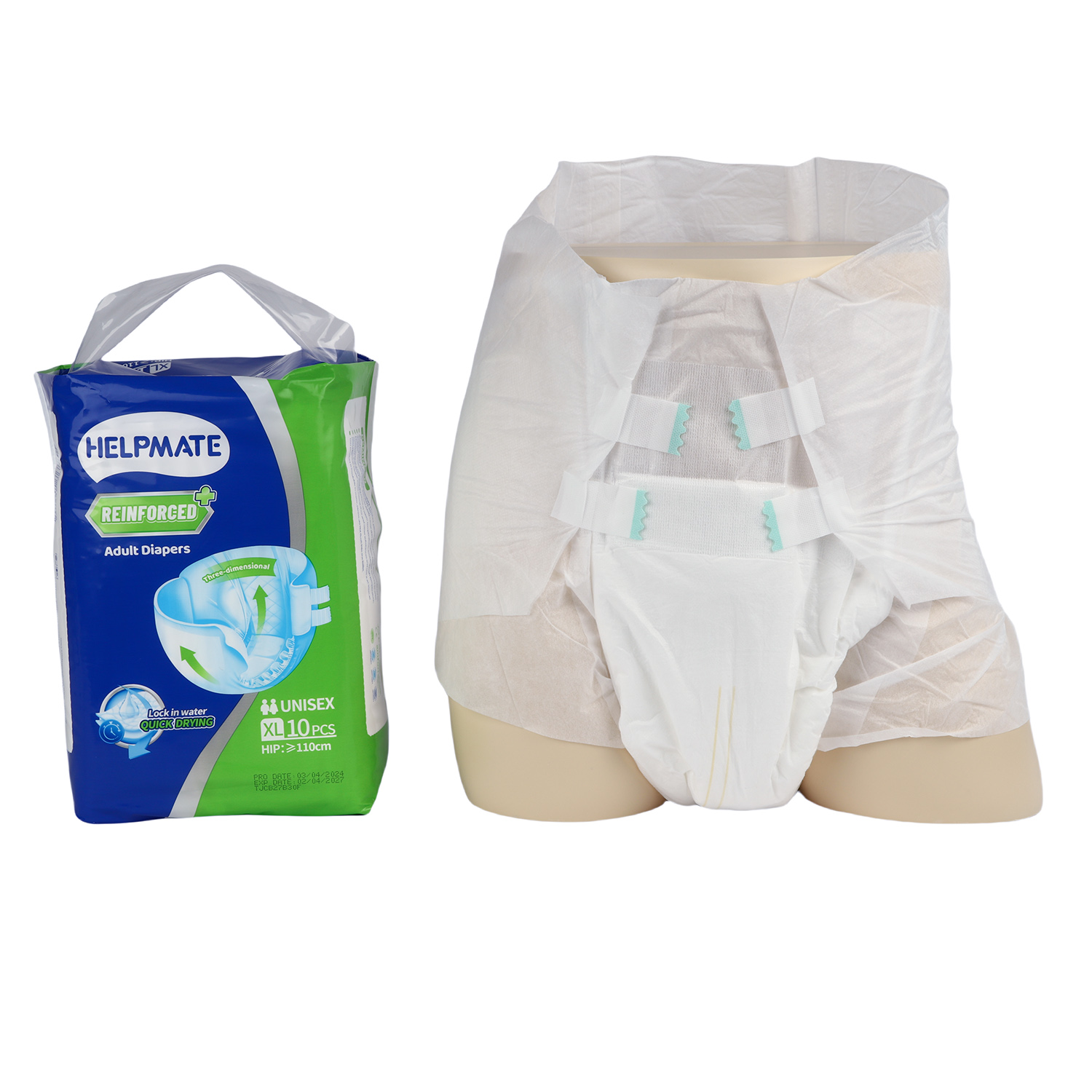
You must gather all necessary items before you even touch the patient. A fragmented workflow creates severe safety risks. Leaving a person unattended on a bed to fetch forgotten items is dangerous. It represents a critical fall hazard and a direct compliance violation. Always prepare your physical station thoroughly before starting.
You will need these specific supplies to execute a safe, hygienic routine:
Properly sized adult diapers: Always evaluate the manufacturer sizing charts. A poor fit directly causes dangerous leaks and skin chafing.
Disposable bed pads: Place these Chux pads underneath the patient. They protect expensive bed linens from unexpected spills.
Alcohol-free wet wipes: Choose hypoallergenic options. Alcohol causes micro-abrasions and stinging on sensitive skin.
Moisture barrier cream: Look for medical-grade formulations. They should contain at least 10% zinc oxide to block acidic waste.
Disposable medical gloves: Keep multiple pairs nearby. You will need to change them mid-routine.
Dedicated disposal bags: Have an open, lined trash receptacle ready to seal away odors instantly.
Workflow Rationale: Setting up your environment correctly dictates the success of the procedure. Keep clean gloves within arm's reach. Open your disposal bag beforehand so you do not fumble with plastic ties while holding soiled items.
Note: Standardizing "incontinence care kits" in patient rooms or on medical carts ensures staff always have the required barrier creams and appropriate glove sizes, streamlining the workflow.
Executing a safe removal protects both you and the patient. You must follow strict infection control protocols. This exact sequence minimizes mess and prevents dangerous cross-contamination across the bedding.
Patient Communication & Privacy: Always explain the process to the individual first. Clear communication reduces sudden resistance and eases anxiety. Close all curtains and doors immediately to protect their personal dignity.
Positioning & Ergonomics: Lower the bed rails on your working side only. Use the "forearm behind the knees" technique. Place your arm under their knees and push their legs gently toward their chest. This specific leverage minimizes dangerous lower back strain for you.
Unfastening and Containing: Undo the side tabs carefully. Fold the front panel inward immediately. Tuck this folded section down between the patient's legs. This simple action traps liquid waste securely inside the core.
The Roll and Wipe: Roll the patient onto their side. Push gently at their hip and shoulder rather than pulling their arms. Wipe the skin strictly from front to back. You must do this to prevent cross-contamination and severe urinary tract infections (UTIs).
Removal and Disposal: Roll the soiled diaper inward tightly. Enclose the used wet wipes inside this bundle. Dispose of it immediately in your prepared bag. Remove your soiled gloves using the outside-in inversion method. This maintains a sterile environment for the next phase.
Common Mistakes to Avoid: Never wipe from back to front. Do not leave soiled wipes resting on bare bedsheets. Never yank the brief out forcefully from beneath a heavy patient.
Tip: Train staff on the "outside-in" glove removal technique; it is a critical infection control metric during facility health audits.
Applying a fresh brief requires anatomical precision. A rushed application leads to immediate leaks and painful skin conditions. You must focus heavily on moisture control during this phase.
Skin Assessment & Air Drying: Inspect the perineal area for redness or early skin breakdown. You must allow the skin to air dry completely. Never apply thick creams to damp skin. Trapped moisture aggressively accelerates diaper rash and fungal infections.
Barrier Application: Don a fresh pair of clean gloves. Apply an even, thin layer of moisture barrier cream. Focus on vulnerable areas exposed to constant friction and acidic waste.
Positioning the New Brief: Slide the clean diaper under the patient. Keep them on their side during this step. Position the tabs at the back. Ensure the top edge rests a few inches above their tailbone.
Rolling and Securing: Gently roll the person back onto their back. Pull the front panel up carefully between their legs. Smooth out any bunched material in the groin area.
The Bottom-Up Taping Rule: Fasten the bottom tabs first. Point them slightly upward. This secures the leg cuffs tightly, which actively prevents leaks. Follow this by securing the top tabs pointing slightly downward for a snug waist fit.
The Finger Test: Check the tension carefully. You should easily slide one finger comfortably under the waistband. Check the leg gathers as well. This confirms the fit remains secure but not overly restrictive.
Best Practices: Always cup the leg gussets outward before taping. If the inner ruffles fold inward, urine will bypass the absorbent core entirely.
Note: Enforcing the "air dry" and "barrier cream" steps reduces the incidence of pressure ulcers and dermatitis, which are heavily monitored quality-of-care indicators in long-term care facilities.
Experienced caregivers utilize specific techniques to streamline their daily routines. These practical hacks reduce physical exertion. They also maximize the performance of standard incontinence supplies, saving both time and money.
The Pad-in-Pull-Up Strategy (Booster Pads): Insert a disposable booster pad inside a primary diaper. Check it every two to four hours. If soiled, simply remove the pad. The outer diaper remains completely dry. This drastically reduces full change times and requires far less physical rolling.
The Side-Tear Technique: Do not pull soiled pull-ups down the legs. This drags waste across clean skin, knees, and feet. Instead, tear the side seams apart firmly. This ensures clean, rapid, and hygienic removal.
The Toilet Change (Fall Prevention): Use this method for semi-mobile individuals. Place the new diaper open on the toilet seat. Have the patient sit down directly into it. Fasten the side tabs loosely while they sit securely. Make your final fit adjustments once they stand up.
Adaptive Clothing Integration: Standard pants complicate the changing process immensely. We highly recommend evaluating adaptive clothing options. Side-snap trousers and elastic waistbands cut preparation and dressing time in half.
Understanding how booster pads work changes your entire strategy. Unlike regular maxi pads, booster pads feature a flow-through backing. Once they fill up, urine passes directly into the primary brief below. This doubles the overall capacity without adding uncomfortable bulk.
Tip: Adopting "Booster Pads" as a frontline inventory item extends the lifecycle of more expensive pull-ups and reduces the physical workload on staff during peak shift hours.
Successful diaper changing relies heavily on fundamental empathy. You must combine ergonomic precision with strict hygiene sequences to succeed. Following these systematic steps ensures a dignified experience for the patient. It also drastically reduces the physical toll on your own body.
We highly recommend a standardized approach for every single change. Investing extra time in proper skin drying pays massive dividends. Executing the bottom-up taping method remains equally critical. These deliberate actions prevent the cascading problems of sudden leaks and dangerous skin infections.
Caregivers carry a massive physical and emotional load daily. Using the right techniques protects your own lower back. It also safeguards the overall health of the person receiving care. Embrace these workflows to transform a historically challenging task into an efficient, safe routine.
A: Standard diapers require changing every 2-4 hours. Premium overnight products can last up to 6 hours, prioritizing uninterrupted sleep unless a bowel movement occurs.
A: Pull-ups function like regular underwear and are designed for mobile individuals. Tab-style briefs open fully at the sides and are engineered for bedbound individuals or those requiring heavy caregiver assistance.
A: No. Even wipes marketed as "flushable" can cause severe plumbing blockages. Always dispose of wipes in a designated trash bag along with the soiled diaper.
A: Ensure correct sizing, use products specifically rated for overnight absorbency, and fasten the bottom tabs first to seal the leg gussets securely. Add a booster pad for extra capacity if necessary.
Master safe adult diaper changes with our ergonomic guide. Learn skin-safe workflows and expert tips to protect caregivers and ensure patient dignity.