
English
Please Choose Your Language
Views: 0 Author: Site Editor Publish Time: 2025-11-10 Origin: Site


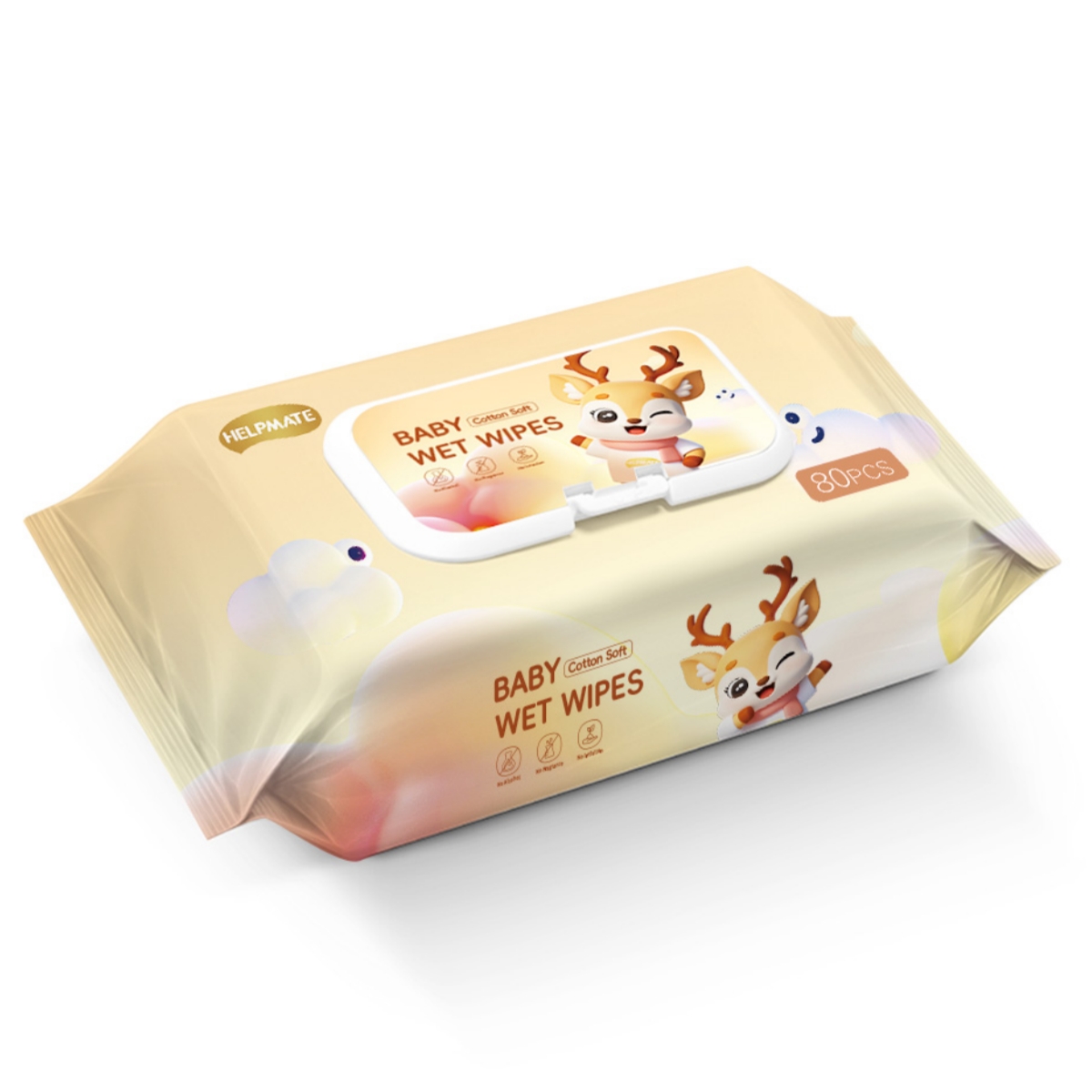
When you wonder if Baby Wipes can clean as well as soap and water, studies show both methods work equally well at removing dirt and bacteria from your baby’s skin. For many parents, the big worry is what touches your baby’s delicate skin. Baby skin absorbs more than half of what you put on it, so you want to avoid harsh chemicals and fragrances. Some wipes can expose your baby to thousands of chemicals in the first year, especially in sensitive areas. Choosing safe products means you protect your baby’s comfort and health.
Baby wipes and soap and water both clean effectively, but serve different purposes. Use wipes for quick cleanups and soap for deeper cleaning.
Always choose baby wipes that are fragrance-free and hypoallergenic to protect your baby's sensitive skin from irritation.
Check the ingredient list on baby wipes. Avoid harmful chemicals like parabens and fragrances to ensure your baby's safety.
Consider using a combination of baby wipes and water during diaper changes for a gentler clean.
For ultimate control over ingredients, try making homemade baby wipes or using baby water wipes, which are gentle and safe.
When you clean your baby, you want to know what works best. Baby wipes make life easier, especially when you need a quick clean. You can grab a pack and wipe away messes in seconds. But how do they stack up against soap and water?
Baby wipes remove visible dirt and most messes from your baby's skin.
They can get rid of up to 99.99% of E. coli, which means they work well against fecal bacteria.
Wipes are gentle and designed for delicate skin, but they do not kill many germs.
Soap and water do a better job when you want to sanitize and remove all types of bacteria.
Household cleaning wipes are different—they contain strong chemicals and are not safe for babies.
You might think baby wipes can replace soap and water, but they serve different purposes. Wipes help you clean up quickly and reduce skin irritation. Soap and water give you a deeper clean, especially after big messes or when you want to make sure germs are gone.
Tip: After using baby wipes, wash your hands with soap and water for the best hygiene.
You face many situations as a parent. Sometimes you need speed. Other times, you want a thorough clean. Here’s how you can decide:
Use baby wipes when you are on the go, in the car, or at the park.
Wipes work well for diaper changes, especially for removing stool and urine.
Pediatricians say you can use wipes on newborns, but always let the diaper area dry before putting on a new diaper.
At home, soap and water are your best choice for heavy messes, sticky hands, or after meals.
For diaper changes, many doctors suggest using water with wipes. This combo helps avoid harsh chemicals and keeps your baby’s skin safe.
Here’s a quick guide to help you choose:
Situation | Best Option |
|---|---|
Quick clean on the go | Baby wipes |
Diaper changes | Baby wipes + water |
Heavy messes at home | Soap and water |
After outdoor play | Soap and water |
You do not have to pick just one. Many parents keep both baby wipes and soap and water handy. You can use wipes for fast cleanups and save soap and water for times when you need a deeper clean. The key is to choose wipes made for babies, free from harsh chemicals, and always check the label for safe ingredients.
When you pick up a pack of baby wipes, you probably expect them to be gentle and safe. The truth is, not all wipes are created equal. Some contain harmful chemicals that can irritate your baby's skin or even cause long-term issues. You want to know what to look out for, so here’s a quick rundown of the most common red flags:
Quaternary ammonium compounds (quats)
Parabens
Phenoxyethanol
Fragrances and masking agents
You might also spot these on the label:
Methylchloroisothiazolinone/methylisothiazolinone (MCI/MI)
Tocopheryl acetate
Petrol-based propylene glycol
2-bromo-2-nitropropane-1,3-diol
These ingredients have links to skin irritation, allergic reactions, and even hormonal disruption. Many parents report problems like red rashes, dry or scaly skin, itching, and thickening of the skin after using wipes with these harmful chemicals. Sometimes, you might notice dull or dark skin under your baby’s eyes or a rash in sensitive areas. Over time, repeated exposure to preservatives and other harsh ingredients can disrupt your baby’s natural skin microbiota, cause chronic irritation, and increase the risk of allergic sensitization. Some experts even worry about possible long-term immune or hormonal effects.
Note: Babies with diaper dermatitis or atopic dermatitis are especially sensitive to these ingredients. Always check the label before you buy.
You want wipes that clean well but don’t put your baby at risk. The best baby wipes use gentle, plant-based ingredients and avoid harmful chemicals. Dermatologists recommend looking for wipes that are:
Plant-based
Fragrance-free
Hypoallergenic
Dermatologist-tested
Here are some of the most recommended ingredients for baby wipes:
Vitamin E – Nourishes and relaxes the skin.
Chamomile – Calms and reduces irritation.
Aloe Vera – Hydrates and soothes.
When you shop, you’ll see labels like “fragrance-free” and “unscented.” These sound similar, but they’re not the same. Fragrance-free wipes do not contain added fragrances, which means fewer hidden chemicals that could irritate your baby’s skin. Unscented wipes, on the other hand, might still use masking agents to hide odors. These agents can also cause irritation, so it’s important to read the ingredient list carefully.
Tip: Always choose wipes with short, simple ingredient lists. Fewer ingredients mean less chance of irritation or allergic reaction. Avoid wipes with alcohol, parabens, or added fragrances.
Here’s a quick table to help you compare:
What to Avoid | What to Look For |
|---|---|
Parabens | Aloe Vera |
Quats | Chamomile |
Phenoxyethanol | Vitamin E |
Fragrances/Masking Agents | Plant-based ingredients |
MCI/MI | Fragrance-free label |
If you want even more control, you can try homemade baby wipes. These let you pick every ingredient, so you know exactly what touches your baby’s skin. Some parents also prefer baby water wipes, which use mostly water and a few gentle ingredients. Both options help you avoid harmful chemicals and keep your baby’s skin healthy.
Remember, the best baby wipes ingredients are the ones you can pronounce and recognize. Always check the label, even if the packaging says “natural” or “gentle.” Your baby’s skin deserves the safest care possible.
You want to keep your baby’s skin soft and healthy. Delicate skin can react to anything harsh, so you need to know what causes irritation. Diaper rash is common, affecting up to 25% of babies who wear diapers. You might worry that using wipes could make things worse, but studies show that most wipes are gentle and do not increase the risk of irritation. In fact, wipes made for babies often have mild, skin-friendly formulas. They work well for cleaning and do not cause more rashes than soap and water. Many parents find that using wipes with barrier creams or mildly acidic solutions helps protect the skin and lowers the chance of diaper rash.
Non-toxic wipes are a smart choice. They use safe, gentle ingredients and avoid harsh chemicals like alcohol, parabens, and phthalates. This reduces the risk of allergic reactions and keeps your baby’s skin calm. Scented wipes can cause redness or rashes, especially for babies with allergies or sensitive skin. Fragrance-free or unscented wipes are usually safer and less likely to trigger irritation.
Picking the right wipes for your baby can feel overwhelming. Pediatricians suggest choosing wipes that are fragrance-free and hypoallergenic. Look for wipes made from soft materials like bamboo or spun viscose. These are gentle and strong enough for messy cleanups. Pre-moistened wipes with soothing ingredients, such as aloe vera, help keep your baby’s skin comfortable. If your baby has eczema or very sensitive skin, try wipes like baby water wipes, which use mostly water and a drop of fruit extract. These wipes have even earned seals of approval from dermatology groups.
You can also help the planet by choosing biodegradable wipes. These break down much faster than regular wipes and do not add to plastic waste. Biodegradable wipes use plant-based materials and are free from harmful chemicals, making them safer for your baby and the environment. If you want total control over what touches your baby’s skin, homemade baby wipes let you pick every ingredient. Always check the baby wipes ingredients list and pick products with simple, gentle formulas. Your baby’s age and skin sensitivity matter, so adjust your choices as your baby grows.
You want the best for your baby, so knowing the differences helps. Baby wipes give you quick, gentle cleaning and work well for travel. Soap and water offer a deeper clean at home. Some wipes hydrate as safely as water, but always check for harsh chemicals. Look for plant-based, fragrance-free options.
Try a patch test before using new wipes on your baby’s skin.
Choosing safe wipes means you protect your baby’s comfort and health every day.
Yes, you can use baby wipes on newborns. Choose wipes with gentle baby wipes ingredients. Look for fragrance-free and hypoallergenic options. Baby water wipes or homemade baby wipes work well for sensitive skin.
Absolutely! You can make homemade baby wipes using soft cloths, water, and a few drops of baby-safe oil. This lets you control all baby wipes ingredients and avoid harsh chemicals.
Baby water wipes contain mostly water and a small amount of gentle baby wipes ingredients. These wipes clean well and suit babies with sensitive skin. Many parents trust baby water wipes for their purity.
Most baby wipes do not cause diaper rash if you pick ones with safe baby wipes ingredients. Avoid wipes with alcohol or fragrance. Baby water wipes and homemade baby wipes help reduce irritation.
Check the label for parabens, quats, phenoxyethanol, and fragrances. Choose baby wipes with simple, plant-based baby wipes ingredients. If you want full control, try homemade baby wipes or baby water wipes.
Tip: Always test a new wipe on a small patch of your baby’s skin first!