
English
Please Choose Your Language
Views: 0 Author: Site Editor Publish Time: 2025-08-26 Origin: Site


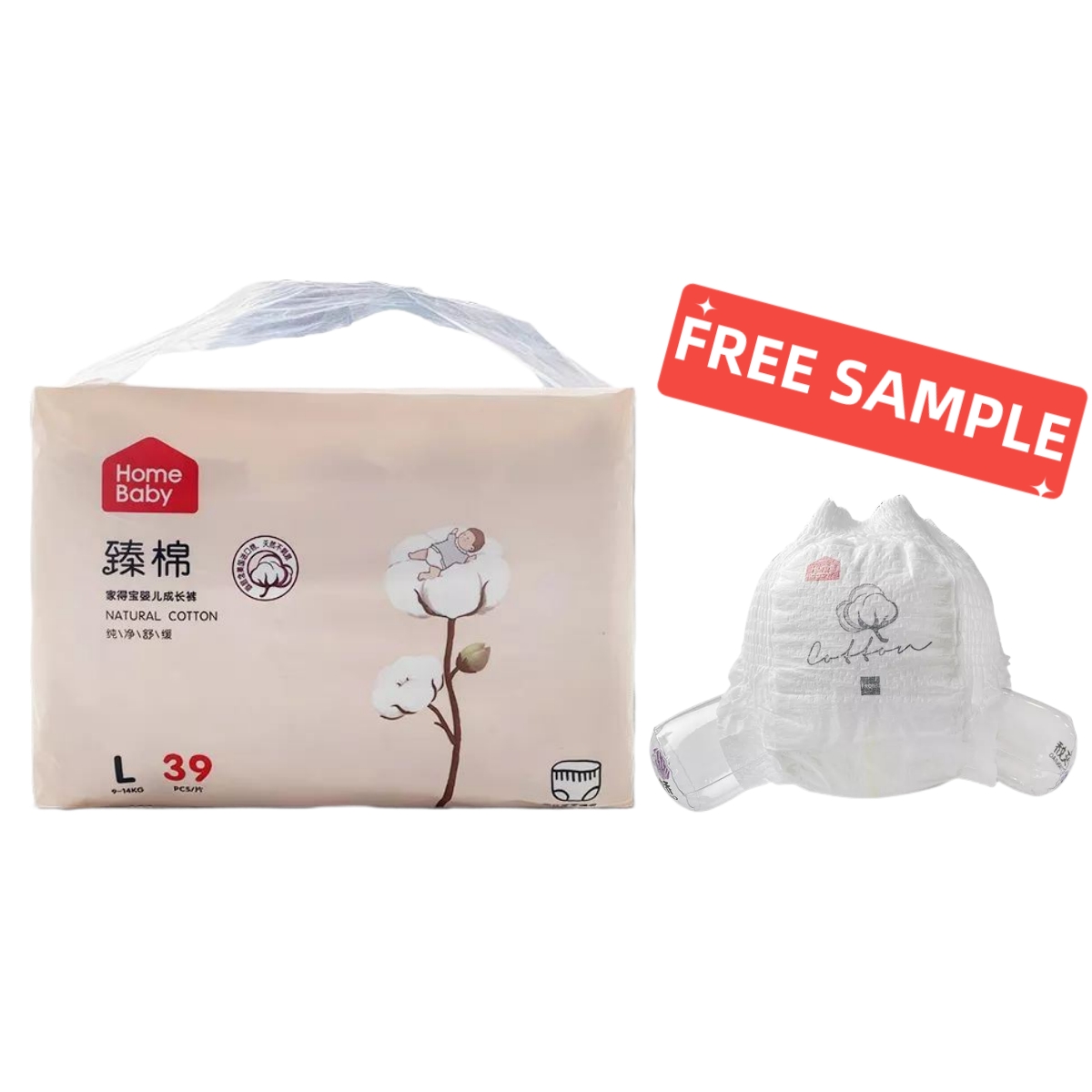
As new parents, one of the most crucial decisions you'll make for your baby’s well-being is choosing the right baby diapers. With numerous options available on the market, it can be overwhelming to select the best one for your baby. Baby diapers are essential for ensuring your infant stays clean, dry, and comfortable. However, with so many variations such as disposable diapers, cloth diapers, and hybrid diapers, it’s important to understand the differences to make an informed decision. In this comprehensive guide, we’ll explore the various types of baby diapers, their benefits, and the factors to consider when choosing the best diaper for your newborn or growing child.
A baby diaper is a type of absorbent garment worn by babies to catch and contain urine and feces. The primary purpose of a baby diaper is to maintain hygiene, prevent leaks, and keep the baby’s skin dry and comfortable. Diapers are designed to handle frequent changes and ensure that your baby remains clean, especially during the first few months when they require more frequent diaper changes.
There are several types of baby diapers available, each offering different benefits. Understanding the options can help you decide which is best for your baby’s needs. The three main types of diapers are:
Disposable Diapers
Cloth Diapers
Hybrid Diapers
Let’s dive deeper into each type.
Disposable diapers are single-use diapers made from a combination of materials such as absorbent polymers, synthetic fibers, and nonwoven fabrics. These diapers are designed to be worn once and then discarded. They are available in various sizes and can be found in most baby stores and supermarkets. The popularity of disposable diapers lies in their convenience and ease of use.
Pros:
Convenience: The biggest advantage of disposable diapers is their convenience. They are easy to use, and parents don’t have to worry about washing or reusing them.
High Absorbency: Disposable diapers are made with superabsorbent polymers that lock in moisture, keeping your baby dry for longer periods.
Perfect for On-the-Go: These diapers are ideal for parents who are constantly on the move, as they are lightweight and can be easily disposed of after a single use.
Cons:
Environmental Impact: The most significant downside of disposable diapers is their environmental impact. Since they are single-use and not biodegradable, they contribute to waste in landfills.
Cost Over Time: Disposable diapers can be expensive, especially when used frequently for a newborn baby.
When selecting disposable diapers, consider factors such as size, absorbency, and additional features like wetness indicators. Brands that offer healthy baby diapers are ideal for ensuring your baby’s skin remains irritation-free. If you’re looking for cost-effective options, some companies offer subscriptions or bulk buying options for best baby diapers.
Cloth diapers are reusable diapers made from fabric materials such as cotton, bamboo, or hemp. They feature an absorbent core and are typically covered with a waterproof layer to prevent leaks. Cloth diapers are an eco-friendly alternative to disposable diapers, as they can be washed and reused multiple times.
Pros:
Eco-Friendly: Cloth diapers are reusable, reducing waste compared to disposable diapers. This makes them a great choice for environmentally conscious parents.
Cost-Effective in the Long Run: While cloth diapers can be more expensive upfront, they save money over time because they can be reused for multiple children.
Soft and Gentle on Baby’s Skin: Many parents prefer cloth diapers for babies with sensitive skin because they are made from natural fibers and are less likely to cause diaper rash.
Cons:
Frequent Washing: Cloth diapers require regular washing, which can be time-consuming and requires access to a washing machine.
Less Convenient: Unlike disposable diapers, cloth diapers need to be changed and washed regularly, which can be inconvenient for parents, especially when traveling.
When choosing cloth diapers, you can select from various styles, including:
All-in-One (AIO) Diapers: These diapers combine the absorbent layer and waterproof cover into one piece for maximum convenience. However, they tend to take longer to dry.
Pocket Diapers: These diapers have a pocket where you can stuff absorbent inserts. They are easier to dry compared to AIO diapers.
Fitted Diapers: These require a separate waterproof cover and are known for their high absorbency.
Hybrid diapers combine the best of both disposable diapers and cloth diapers. They feature a reusable cloth outer cover with disposable inserts. This combination allows parents to enjoy the convenience of disposable diapers while still benefiting from the sustainability of cloth diapers.
Pros:
Convenient and Eco-Friendly: Hybrid diapers offer a balance between convenience and sustainability, making them a great option for parents who want to minimize waste without completely giving up disposability.
Cost-Effective: Since the outer cover is reusable, you only need to replace the disposable inserts, which makes them more affordable than using disposable diapers exclusively.
Cons:
Waste from Inserts: Although the outer cover is reusable, the disposable inserts contribute to waste.
Higher Initial Cost: Hybrid diapers are typically more expensive than cloth diapers due to the need for both the outer cover and disposable inserts.
When selecting hybrid diapers, consider the absorbency of the inserts and the durability of the outer cover. Some best baby diapers offer different insert types for varying absorbency needs.
Skin Sensitivity: If your baby has sensitive skin, you may want to choose healthy baby diapers that are hypoallergenic and free from harsh chemicals.
Budget: The cost of diapers can add up quickly, so it’s essential to consider how much you’re willing to spend. While disposable diapers are convenient, they can become expensive, especially if you have a newborn.
Lifestyle: If you’re constantly on the go, disposable diapers may be your best choice. However, if you prefer sustainability, cloth diapers may be more suitable for your family.
Environmental Impact: For eco-conscious families, cloth diapers or hybrid diapers are the best options as they generate less waste than disposable diapers.
Disposable diapers are ideal for parents looking for convenience and ease of use. They are perfect for daycare, travel, and busy parents who want a quick solution for diapering.
Cloth diapers are perfect for parents looking for an eco-friendly and cost-effective option. If you’re willing to commit to regular washing and maintenance, cloth diapers are a great choice for long-term savings.
Hybrid diapers are perfect for parents who want the best of both worlds. They offer the convenience of disposable diapers with the eco-friendly benefits of cloth diapers.
Absorbent Core: The absorbent core in baby diapers is typically made from superabsorbent polymers and wood pulp. This layer locks in moisture and prevents leaks.
Outer Layer: Disposable diapers often have a plastic or polyurethane outer layer that prevents leaks. Cloth diapers feature natural fibers such as cotton or bamboo.
Fastening System: Disposable diapers usually use adhesive tapes, while cloth diapers often use snaps or Velcro for a snug fit.
The absorbent core in baby diapers plays a crucial role in ensuring the diaper is effective at keeping your baby dry. The combination of absorbent materials and leak-proof outer layers helps prevent diaper leaks and rashes.
Disposable diapers can range from $0.20 to $0.50 per diaper, depending on the brand and size. If you use disposable diapers exclusively for a newborn, the total cost can add up quickly. However, buying in bulk or using subscription services can help reduce the cost.
The initial cost of cloth diapers can be high, ranging from $10 to $30 per diaper. However, since they are reusable, the long-term savings are significant. After an initial investment in newborn baby diapers, you won’t need to purchase diapers again for future children.
Hybrid diapers are priced somewhere in between disposable diapers and cloth diapers. The outer covers typically cost $15 to $25, and the disposable inserts can range from $0.25 to $0.40 each.
Disposable diapers contribute to landfill waste, as they are made from non-biodegradable materials. An estimated 20 billion disposable diapers are used annually, taking hundreds of years to decompose.
Since cloth diapers are reusable, they produce less waste and are a more eco-friendly option. Using cloth diapers reduces landfill waste and the environmental impact associated with manufacturing disposable diapers.
Hybrid diapers offer a compromise between convenience and sustainability. While they still contribute some waste through disposable inserts, the reusability of the outer cover reduces their overall environmental footprint.
The right size and fit are essential for preventing leaks and ensuring your baby’s comfort. Make sure to follow the size guide for each type of diaper and check for signs of discomfort, such as red marks on your baby’s skin.
You should change your baby’s diaper every 2 to 3 hours, or immediately after a bowel movement. Frequent diaper changes are essential for preventing rashes and ensuring your baby stays comfortable.
If you choose cloth diapers, make sure to wash them with a mild, fragrance-free detergent. Regularly inspect the diapers for wear and tear, and follow care instructions for the best results.
Disposable diapers are single-use, while cloth diapers are reusable. Cloth diapers are more eco-friendly and cost-effective over time, but require more maintenance.
Yes, cloth diapers can be used for newborns, though they may require a bit more maintenance. Newborn baby diapers are available in both disposable and cloth options.
Hybrid diapers can be a good option for overnight use, as the combination of absorbent inserts and leak-proof covers provides extra protection.
If your baby has sensitive skin, healthy baby diapers, including hypoallergenic cloth diapers, are the best choice to avoid irritation.
Always check the weight guidelines for the baby diapers you’re purchasing. A well-fitting diaper should be snug but not tight and should not cause red marks on the baby’s skin.
Choosing the right baby diaper can be challenging, but understanding the differences between disposable diapers, cloth diapers, and hybrid diapers can help you make an informed decision. Each type has its advantages and disadvantages, so consider your baby’s needs, your budget, and your lifestyle when selecting a diaper. For healthy baby diapers and premium options, check out Tianjiao Diapers, offering the best baby diapers for your little one’s comfort and care.