
English
Please Choose Your Language
Views: 0 Author: Site Editor Publish Time: 2025-09-24 Origin: Site


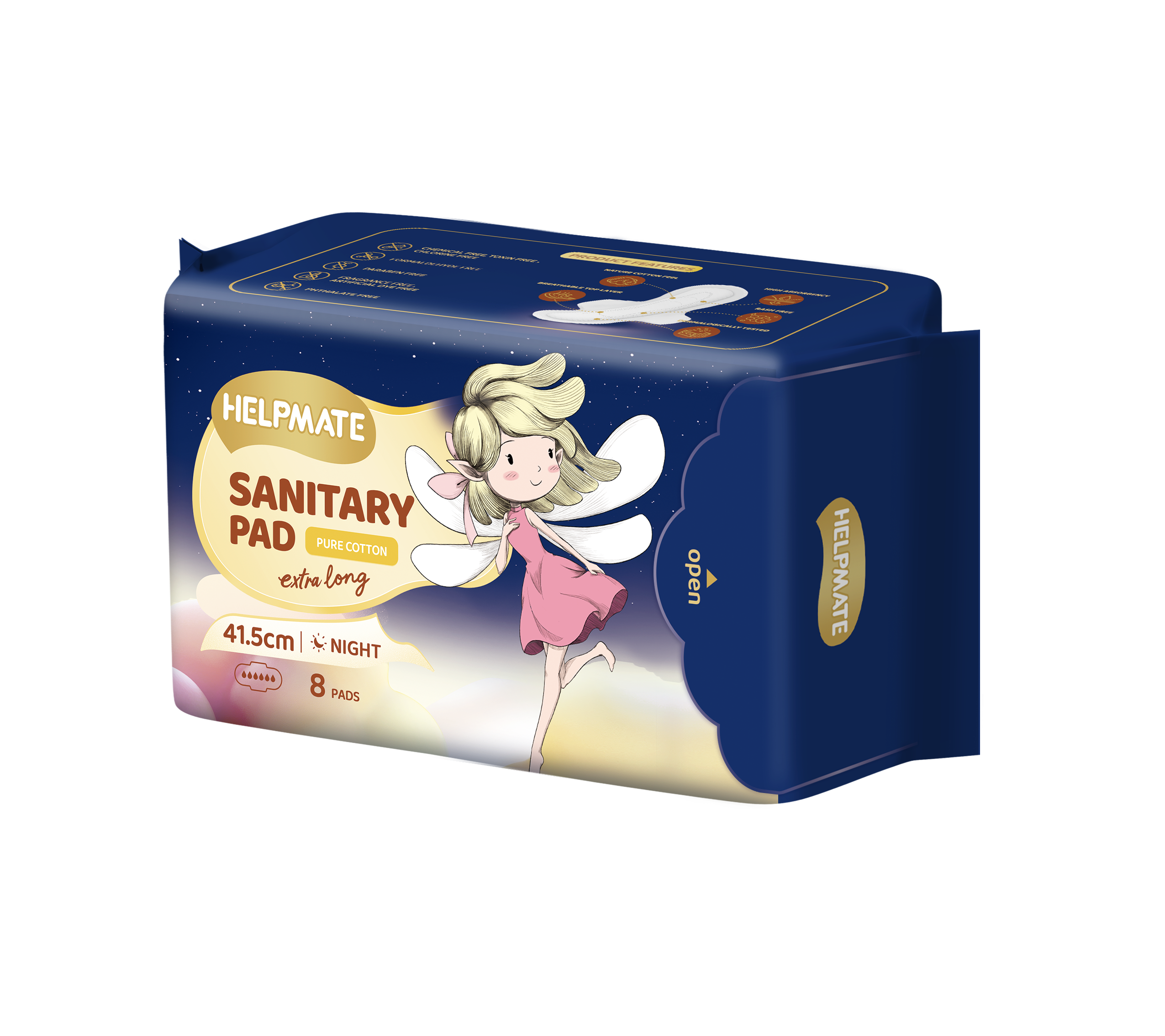
During your period, avoid poor hygiene, infrequent changing of menstrual products, and scented items that may cause irritation. Prioritize your comfort and health by choosing the right sanitary napkins. You deserve safe, clean care—open conversations and proper practices help you manage your period confidently.
Maintain good hygiene by changing sanitary napkins every two to three hours to prevent infections and discomfort.
Make smart food choices during your period; avoid caffeine and salty foods to reduce cramps and bloating.
Prioritize rest and sleep; lack of sleep can worsen period symptoms and affect your mood.
During your period, making smart choices about what you eat and drink can help you feel better. Some foods and beverages may worsen cramps, bloating, or mood swings. Paying attention to your diet supports your comfort and overall health.
Caffeinated drinks like coffee, energy drinks, and sodas can make cramps worse. Caffeine causes blood vessels to tighten, which may increase pain. Some studies show no direct link between caffeine and PMS, but many people notice more discomfort after drinking it. If you want a warm drink, try herbal teas such as green tea or raspberry leaf tea. These options may help reduce cramps and inflammation.
Finding | Description |
|---|---|
No Link to PMS | No strong evidence connects caffeine to PMS development. |
Reverse Causation | Women may change caffeine habits based on symptoms. |
Salty snacks and processed foods can increase bloating and water retention. High sodium intake raises the risk of bloating by about 27%. You may feel more swollen or uncomfortable if you eat chips, canned soups, or fast food. Choosing fresh fruits and vegetables helps you avoid extra salt and supports hydration.
Finding | Description |
|---|---|
Increased Bloating | High sodium diets raise bloating risk. |
Menstrual Symptoms | Bloating ratings rise during early menses. |
Alcohol can disrupt your menstrual cycle and make symptoms worse. Drinking may cause hormonal changes, leading to irregular periods and stronger PMS symptoms. Even small amounts of alcohol can affect your mood and energy. Limiting alcohol helps you avoid fatigue and cravings during your period.
Tip: Focus on water, herbal teas, and nutrient-rich foods for better comfort. Making mindful choices about food and drink supports your health and helps you manage period symptoms more easily.
You might feel pressure to keep up with your regular workout routine during your period. Health experts recommend scaling back on intense workouts at the start of your cycle. High-intensity activities can worsen discomfort, especially if you already experience cramps or fatigue.
Intense exercise may increase pain and make you feel more tired.
Listening to your body helps you decide when to rest or choose lighter activities.
Many women find that gentle movement, like walking or stretching, feels better.
Observational studies show that physically active women often report fewer PMS symptoms. Some research suggests exercise can reduce the risk of painful periods, but results vary. A small trial found that women who exercised had lower dysmenorrhea symptoms than those who did not, though the sample size was limited.
Tip: If you use sanitary napkins during exercise, choose a product that fits well and stays in place. Comfort matters when you move.
Rest plays a key role in managing period symptoms. Skipping rest can make cramps and discomfort worse.
Menstrual pain often disrupts sleep, causing trouble falling asleep and frequent awakenings.
Lack of rest leads to more fatigue and irritability.
You may notice more emotional ups and downs if you do not get enough downtime.
Physical discomfort, such as cramps or breast tenderness, can increase psychological distress. Many women report feeling more isolated or having more conflicts with others during their period. Taking time to rest helps you recover and maintain a positive mood.
Poor sleep quality can make your period symptoms much harder to manage. Studies show a strong link between sleep problems and PMS severity.
Evidence Description | Findings |
|---|---|
Correlation between sleep quality and PMS symptoms | Sleep quality was positively correlated with PMS symptoms. |
Impact of poor sleep on PMS severity | Poor sleep quality increased the severity of PMS; 92.3% of women with PMS experienced poor sleep quality. |
Sleep quality in women with PMDD | Women with PMDD experienced greater levels of poor sleep quality than normal controls. |
Prevalence of sleep problems in PMS | 57% of women diagnosed with PMS had sleeping problems, and PMS severity was associated with these sleep problems. |
Association of menstrual disturbances with sleep quality | The severity of menstrual disturbances is positively associated with worse sleep quality, greater daytime sleepiness, and insomnia symptoms. |
Higher sleep disturbance scores mean more severe premenstrual symptoms and greater interference with daily life. You may feel more tired, less focused, and less able to handle stress.
Prioritize sleep and rest during your period. Choose sanitary napkins that feel comfortable overnight to help you sleep better.
Maintaining good hygiene during your period protects your health and comfort. You need to pay attention to how you use sanitary napkins and other menstrual products. Poor hygiene can lead to infections and long-term health problems.
Changing your sanitary napkins regularly is essential. If you wear one pad for too long, bacteria and moisture build up quickly. This can cause rashes, yeast infections, and even reproductive tract infections. Studies show that after just two hours, a sanitary napkin can hold a high number of bacteria. Many women wear pads for over three hours, which increases health risks.
Tip: Change your sanitary napkins every two to three hours to lower your risk of infection and stay comfortable.
Common hygiene mistakes include:
Using unclean sanitary napkins
Wearing one pad for too long
Wiping or washing back to front
Skipping hand washing
These mistakes can lead to urinary tract infections, pelvic inflammatory disease, and even fertility issues. Poor menstrual hygiene is responsible for almost 70% of reproductive health illnesses in some populations.
Scented sanitary napkins and tampons may seem appealing, but they often contain chemicals like phthalates and VOCs. These substances can cause allergies, asthma, and even disrupt hormones. Dermatologists warn that scented products increase the risk of gynecological and reproductive diseases.
Choose unscented sanitary napkins near me for better health and fewer irritations.
Wearing tight clothing during your period can cause problems. Tight garments restrict blood flow and may lead to discomfort or skin irritation. You might also experience acid reflux or chafing, which raises your risk of infection.
Loose, breathable clothing helps you stay comfortable and supports good hygiene when using sanitary napkins and tampons.
Remember, proper hygiene and the right sanitary napkins protect your health and well-being every month.
Sanitary napkins play a vital role in menstrual hygiene and comfort. You rely on them to absorb menstrual blood, prevent leaks, and help you stay active during your period. These products come in different sizes, thicknesses, and absorbency levels, so you can choose what fits your needs best. Soft top layers and breathable materials reduce irritation and keep you comfortable. Features like wings and adhesive strips hold the pad in place, even when you move around.
Feature | Description |
|---|---|
Absorbency | Sanitary napkins absorb menstrual flow effectively, preventing leaks. |
Breathability | Breathable materials reduce irritation and maintain comfort. |
Comfort | Soft layers allow you to wear them without discomfort. |
Ease of Use | Easy to place and remove, suitable for all users. |
Design | Wings and adhesive strips keep the pad secure during activities. |
Variety | Available in different lengths, thicknesses, and absorbency levels for various needs. |
Sanitary napkins help you avoid infections by preventing prolonged contact of menstrual blood with your skin. You can continue your daily activities without worrying about leakage or discomfort.
You might think using any sanitary napkin will work, but choosing the wrong size or type can cause problems. A pad that does not fit properly can lead to leaks, discomfort, and even skin irritation. If you use an extra-long pad on heavy flow days, you get better coverage and protection. Pads made with soft cotton feel comfortable for long hours and reduce the risk of rashes. Some sanitary napkins include antibacterial sheets to help prevent infections and irritation.
Tip: Always select sanitary napkins that match your flow and body shape. This choice keeps you comfortable and safe.
Common mistakes include:
Not changing sanitary napkins often enough, which increases the risk of infection.
Using pads that are too small or too large for your needs.
Ignoring signs of discomfort or irritation.
Choosing the right sanitary napkin size is essential for comfort, protection, and hygiene. If you use an ill-fitting pad, you may experience skin irritation or infections. You should look for pads with quality adhesive and wings to prevent shifting. Consider absorbency, size, and budget when selecting a product. Eco-friendly options, such as biodegradable pads, help reduce environmental impact.
Recent innovations in sanitary napkin design focus on organic and biodegradable materials. These products improve comfort and health outcomes while lowering the ecological footprint. Many users now prefer cotton-based sanitary napkins and reusable menstrual products.
How you dispose of sanitary napkins affects both your health and the environment. Many people wrap used pads in plastic bags, which prevents decomposition. Flushing sanitary napkins and tampons causes sewage blockages and backflow. Throwing menstrual waste into water bodies contaminates them and creates breeding grounds for pathogens.
Impact Type | Description |
|---|---|
Health Risks | Exposure to pathogens can lead to diseases like gastrointestinal infections, cholera, and dysentery. |
Vector-Borne Diseases | Pests attracted to waste spread diseases such as malaria and dengue fever. |
Water Contamination | Chemicals and pathogens pollute water sources, harming aquatic life and human health. |
Soil Degradation | Waste degrades soil quality, affecting agriculture and ecosystems. |
Public Health Burden | Disease outbreaks overwhelm healthcare systems and increase medical costs. |
Economic Costs | Cleanup and healthcare expenses rise, slowing development. |
You can minimize environmental impact by using compostable sanitary pads made from bamboo fiber, banana fiber, or organic cotton. Set up home composting for biodegradable pads, but keep them separate from kitchen compost. Community-level incinerators with filters offer safe burning options. Always dispose of single-use products in sanitary bins, not by flushing. Support companies that prioritize sustainability and advocate for awareness about sanitary waste.
Note: Eco-friendly sanitary napkins and proper disposal methods protect your health and the planet.
Sanitary napkins manufacturers now offer more sustainable choices. You can find sanitary napkins near me that use organic materials and biodegradable packaging. If you want to reduce waste, try reusable menstrual products like menstrual cups or period underwear.
Sanitary napkins and tampons both require responsible disposal. You should never flush these products or throw them into water bodies. Choose sanitary napkins that fit your needs and dispose of them in a way that keeps your environment clean.
You can boost comfort and health during your period by avoiding certain activities:
Activities to Avoid | Percentage (%) |
|---|---|
Washing the body/bathing | 37.60 |
Exercise | 17.10 |
Working outside home | 15.20 |
Follow these expert tips for self-care:
Choose sanitary napkins or other products that fit your needs.
Change pads every five to six hours.
Wash with warm water, not soap.
Good hygiene and self-care help you feel confident and reduce anxiety during your period.
You should check absorbency, comfort, and fit. Sanitary napkins manufacturers offer many options. Try sanitary napkins near me for the best match for your needs.
Change sanitary napkins and tampons every two to three hours. This habit helps you avoid infections and keeps you feeling fresh throughout your period.
Yes, you can use sanitary napkins overnight. Choose longer sanitary napkins for better protection. Sanitary napkins manufacturers design overnight pads for comfort and leak prevention.