
Please Choose Your Language
Views: 0 Author: Site Editor Publish Time: 2026-04-23 Origin: Site


Are you wondering how often to change your 3-month-old's diaper? Many parents face this common challenge. Regular diaper changes are essential to avoid discomfort and diaper rash, ensuring your baby stays happy and healthy. In this article, we'll provide a clear, concise guide on how often to change a 3-month-old's diaper, helping you establish a healthy routine for your little one. Let’s dive in and discover the best practices for keeping your baby clean and comfortable!
Changing your baby’s diaper regularly is vital for maintaining skin health. At 3 months old, babies have more delicate skin, which can easily become irritated if left in a wet or soiled diaper for too long. Prolonged exposure to moisture, urine, and feces can lead to diaper rash, redness, and discomfort.
Diaper rash is one of the most common concerns, especially when a baby is left in a wet diaper for extended periods.
A soiled diaper can cause bacteria to build up, increasing the risk of skin irritation or infections.
TIANJIAO’s diapers use soft, skin-friendly materials, designed to reduce friction and prevent irritation. The breathable backsheet technology also helps keep your baby's skin dry, preventing rash formation even with frequent changes. This approach ensures your little one’s comfort all day long.
At 3 months, your baby’s body is developing rapidly, which affects how often their diaper needs to be changed. Unlike newborns, whose digestive systems are still maturing, 3-month-olds have better bladder control, but they still require regular diaper changes due to frequent urination and occasional bowel movements.
Bladder capacity: By this age, babies can hold more urine, but their bladders are still small, so they still need frequent changes.
Digestive rhythms: Babies at 3 months often begin to develop more predictable bowel movements, but they still go multiple times a day.
Understanding these developmental milestones helps parents know when to change their baby’s diaper to avoid discomfort and maintain hygiene.
Babies are more sensitive to their surroundings than we might realize. A wet or soiled diaper can affect not only their comfort but also their mood and sleep patterns. Discomfort from a diaper that hasn’t been changed can lead to fussiness, restlessness, and poor sleep.
Fussiness: Babies often cry or squirm when their diaper is wet, indicating discomfort.
Disrupted sleep: A soggy diaper can wake a baby from sleep, affecting their rest and your own.
It's essential to change your baby’s diaper regularly to avoid these issues. The sooner you respond to these discomforts, the happier and more comfortable your baby will be.
When choosing diapers for your 3-month-old, comfort and skin protection should be a top priority. TIANJIAO’s baby diapers are designed with these factors in mind. The diapers feature high-quality absorbent polymers that quickly absorb moisture and prevent leaks, keeping your baby’s skin dry.
The breathable design ensures air circulation, reducing the risk of overheating and skin irritation.
Their elastic waist and leg cuffs ensure a snug fit, preventing leaks and keeping the diaper in place during the baby’s active movements.
These thoughtful design elements help ensure that diaper changes are as comfortable as possible for both you and your baby. By keeping your baby’s skin dry, TIANJIAO diapers promote overall skin health and comfort, making them an excellent choice for babies at the 3-month stage.
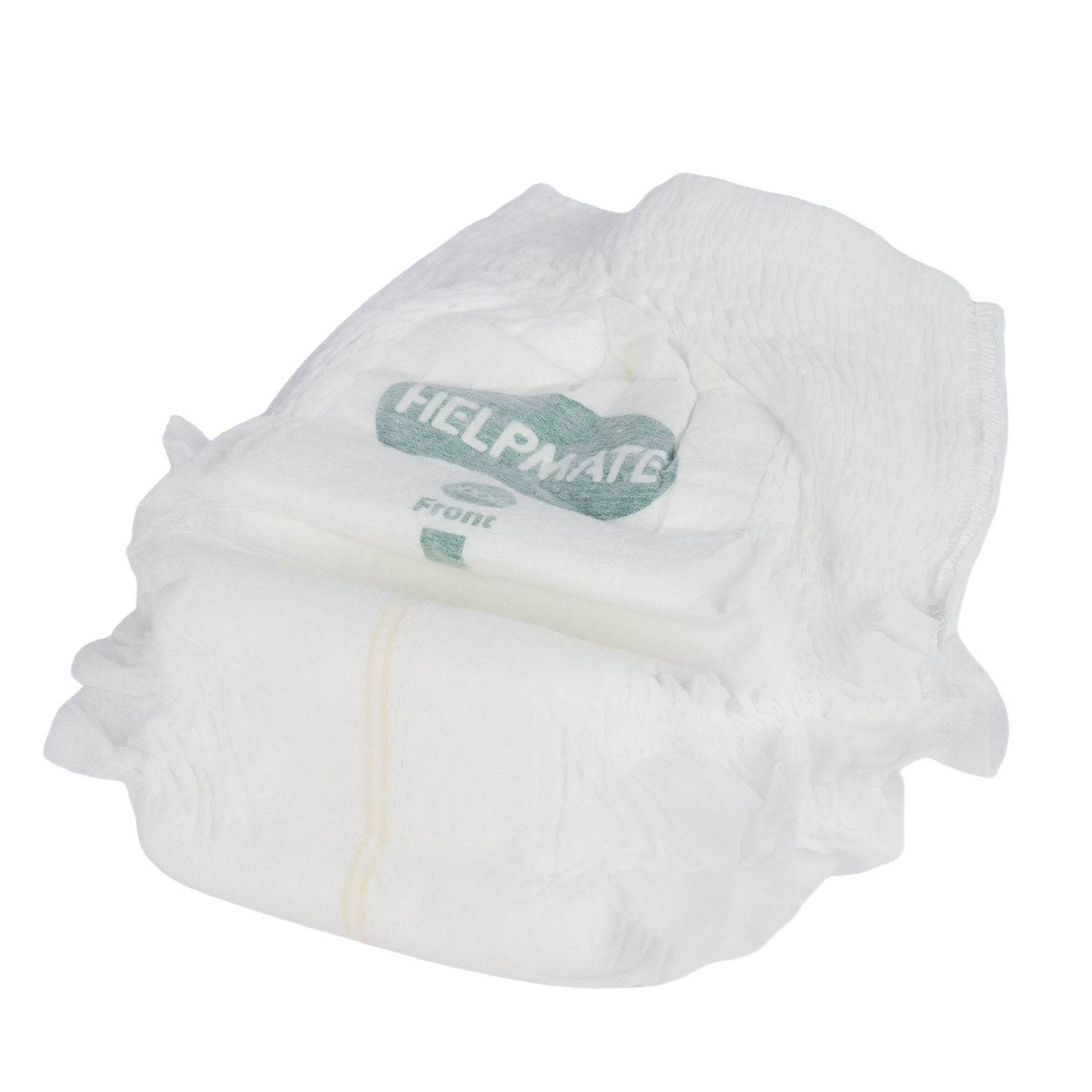
At 3 months, babies typically need 8-10 diaper changes a day. This frequency ensures that your baby stays dry and comfortable while preventing diaper rash or discomfort. While it might seem like a lot, it’s necessary to keep your baby’s skin healthy, as babies at this age go through frequent urination and occasional bowel movements.
Every baby is different, and factors such as diet, fluid intake, and activity level will affect how often their diaper needs changing. Here’s a breakdown of how these factors can influence diaper changes:
Diet: Babies who are breastfed may have more frequent bowel movements due to the digestibility of breast milk. Formula-fed babies may have fewer bowel movements but still need frequent diaper changes due to more liquid intake.
Fluid Intake: Babies who drink more fluids, whether breast milk or formula, will likely need more frequent diaper changes. This is especially true if they are going through growth spurts and feeding more often.
Activity Levels: Active babies or those in developmental stages where they are moving around more may also need more frequent changes as they sweat or get wet more often.
The typical diaper-changing schedule for a 3-month-old is spaced out throughout the day, generally every 3-4 hours. This allows your baby to stay dry between changes while keeping their skin healthy. Here’s a look at how it generally breaks down:
Daytime: Expect diaper changes every 3-4 hours, with a total of 6-8 changes during the day.
Nighttime: Depending on how well your baby sleeps, you might be able to stretch this to 5-6 hours at night, but only if the diaper isn't soiled. It’s always important to change the diaper immediately after a bowel movement.
Here’s a quick visual for better understanding:
Time of Day | Frequency of Diaper Changes |
Morning | 1st change upon waking up, then every 3-4 hours |
Afternoon | 2-3 diaper changes, spaced out |
Evening | 1-2 changes before bedtime |
Nighttime | Typically 1-2 changes (if needed) |
When choosing the right baby diaper for a 3-month-old, it’s essential to look for products that offer both absorbency and comfort. TIANJIAO diapers, for example, feature premium super absorbent polymers (SAP) that quickly absorb moisture and lock it in, allowing for longer periods between diaper changes—especially at night.
This technology helps prevent leaks and keeps your baby’s skin dry, even with extended wear. The breathable materials also promote air circulation, which is crucial for maintaining skin health. With TIANJIAO’s diapers, you can rely on a product that meets the high demands of your growing 3-month-old without frequent changes.
By using diapers that provide both comfort and reliability, you’ll ensure your baby stays happy, healthy, and rash-free.
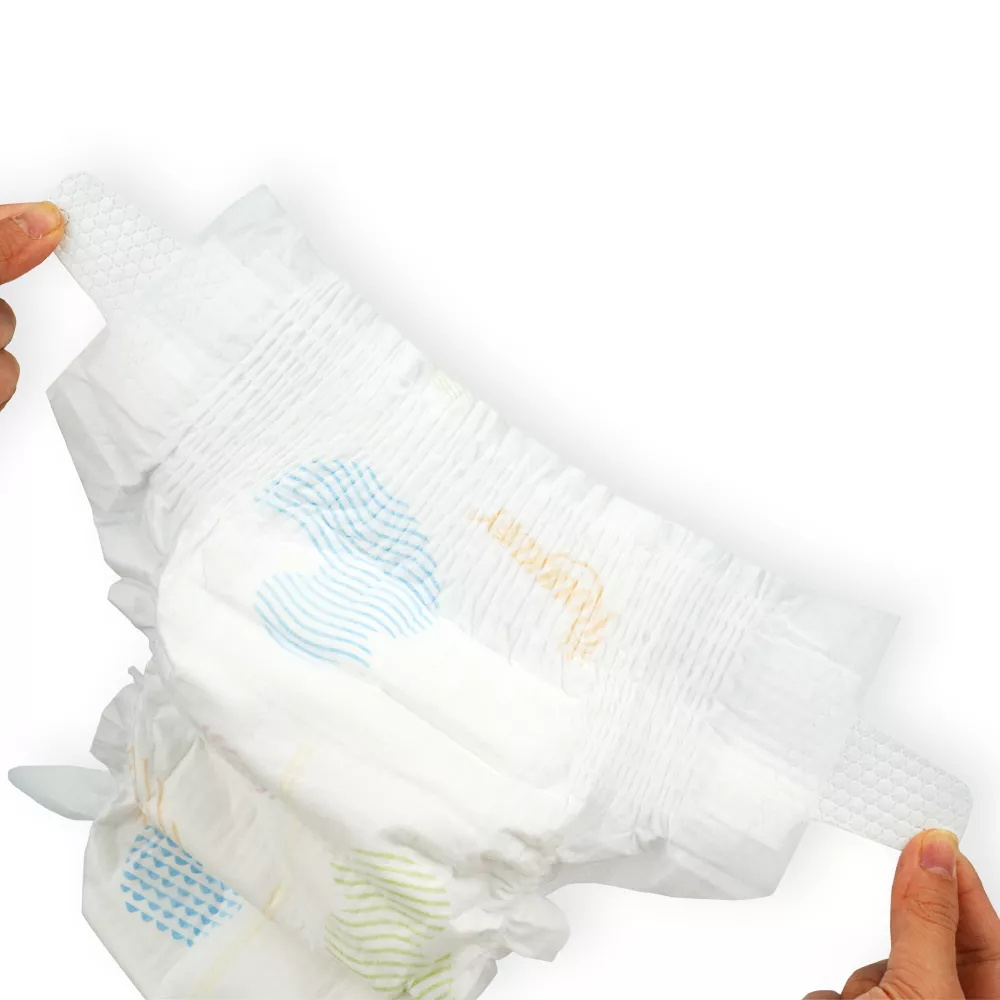
One of the most important times to change your baby’s diaper is immediately after they have a bowel movement. Feces contain bacteria and enzymes that can irritate your baby’s sensitive skin. Leaving the diaper on for too long can cause discomfort and lead to diaper rash, which is painful and difficult to treat.
Quick Action: Changing right after the poop helps prevent these issues.
Hygiene: Promptly removing waste is essential for your baby’s health and comfort.
Always be proactive about checking your baby’s diaper after feeding or naps to avoid any potential skin irritation caused by waste buildup.
Even if your baby hasn’t had a bowel movement, a diaper that feels heavy or full should be changed. A full diaper can cause skin discomfort, increase the risk of leaks, and prevent your baby from feeling comfortable.
Signs of a Full Diaper: The diaper will feel soggy or heavy to the touch.
Why It Matters: Prolonged moisture exposure can irritate the skin, leading to rashes or infections.
It’s also important to keep an eye on how the diaper fits—if it's sagging or looks like it's going to leak, it's definitely time for a change.
Modern baby diapers often come with a built-in wetness indicator—a color-changing strip that shows when the diaper is wet. This simple feature makes it easier for parents to monitor when it's time for a change, reducing the chances of unnecessary delays.
How It Works: The wetness indicator changes color when the diaper is wet, signaling it's time for a change.
Convenience: It’s a simple way to know without guessing if your baby is dry or uncomfortable.
TIANJIAO diapers, for instance, have a highly visible wetness indicator that makes it easy for parents to know exactly when it’s time for a fresh diaper, preventing skin irritation from sitting in wetness too long.
Sometimes, it’s not just about checking the diaper. Your baby may give you subtle (or not-so-subtle) clues that it’s time for a diaper change.
Fussiness: If your baby suddenly becomes irritable or fussy, they might be uncomfortable due to a wet or soiled diaper.
Discomfort: Babies may squirm or arch their back when their diaper is too full or wet.
Skin Irritation: Look out for signs of redness around the diaper area, which could indicate that your baby’s skin has been in contact with moisture for too long.
Understanding these signs, along with using tools like the wetness indicator, can help keep your baby comfortable throughout the day.
TIANJIAO’s baby diapers are designed with a clear, easy-to-read wetness indicator, ensuring that parents can quickly determine when a change is needed. This innovative feature helps parents avoid the guesswork and ensure their baby stays dry and comfortable without unnecessary delays. The wetness indicator provides an added level of convenience for busy parents who want to be proactive about their baby’s diapering needs.
By keeping track of these key signs—whether it’s the feel of the diaper, the wetness indicator, or your baby’s discomfort—you can make diaper changes more efficient and less stressful.
A: A 3-month-old typically needs 8-10 diaper changes per day, with changes spaced every 3-4 hours during the day.
A: It’s generally okay to leave your baby in a wet diaper overnight if it's not overly wet. Using overnight diapers can help keep your baby dry for longer stretches.
A: Diapers with high absorbency, breathable materials, and a good fit are ideal for 3-month-olds. TIANJIAO’s diapers offer these features, ensuring comfort and skin protection.
A: Prevent diaper rash by changing your baby’s diaper frequently, using barrier creams, and choosing breathable, skin-friendly diapers like TIANJIAO.
A: Yes, it’s a good practice to check and change your baby’s diaper after each feeding, especially if the diaper is wet or soiled, to keep their skin dry and comfortable.
Timely diaper changes are crucial for a 3-month-old to avoid discomfort and diaper rash. Maintaining a flexible yet consistent routine helps ensure your baby stays comfortable and happy. Share your experiences or ask any questions in the comments below—we'd love to hear from you!