
Please Choose Your Language
Views: 0 Author: Site Editor Publish Time: 2026-04-18 Origin: Site


Are you wondering when your baby should start wearing training pants?
Choosing the right time can make potty training easier for both of you.Baby training pants are designed to help toddlers transition from diapers to underwear.
They offer protection while encouraging independence and comfort.In this post, you’ll learn about the ideal age to start using baby training pants.
We’ll also cover signs your child is ready and tips for a smooth transition.
Baby training pants are a transitional garment designed to help toddlers move from diapers to regular underwear. They combine the protection of diapers with the feel of underwear, encouraging independence while managing accidents. Unlike regular diapers, training pants let children sense when they are wet, which is crucial for potty training success.
Understanding the differences helps parents choose the right product at the right time:
Regular Diapers: Highly absorbent, designed for babies who have little mobility or no potty training. They keep babies dry but don’t help them notice wetness.
Pull-Up Diapers: Essentially diapers shaped like underwear, offering strong absorbency and leak protection. These are convenient for active toddlers but may delay potty training since they don’t encourage awareness of wetness.
Training Pants: Less absorbent than pull-ups, allowing toddlers to feel wetness. They promote awareness and help toddlers learn to use the potty independently.
Training pants come mainly in two types, each with its own benefits:
Disposable Training Pants: Convenient for travel and busy parents. They combine ease of use with moderate absorbency. Perfect for starting potty training or outings.
Cloth Training Pants: Made from natural fibers, often with waterproof layers. They feel more like real underwear, helping toddlers recognize wetness better. They’re eco-friendly and reusable, though they require more laundry care.
Feature | Disposable Training Pants | Cloth Training Pants |
Absorbency | Moderate to high | Moderate |
Feel | Soft but synthetic | Natural fiber, underwear-like |
Reusability | Single-use | Reusable |
Environmental Impact | Higher waste | Eco-friendly |
Cost Over Time | Higher due to repeated purchase | Lower, though initial cost higher |
When selecting training pants, look for these essentials:
Absorbency: Enough to handle small accidents but not so much that the child doesn’t feel wetness.
Fit and Comfort: Elastic waistbands and stretchable fabrics allow easy pull-up and pull-down. This supports toddlers’ independence.
Leak Protection: 3D leak-proof barriers or channels help prevent messes, especially important for active toddlers.
Ease of Use: Features like easy-tear sides can make changes quicker for parents and toddlers alike.
A leader in baby training pants manufacturing, Tianjiao offers products designed with both babies and parents in mind. Their training pants feature:
A super absorbent SAP core, ensuring quick absorption while keeping the surface dry.
3D leak-proof barriers that minimize leaks during active play or sleep.
An elastic waist design that fits snugly but comfortably, making it easy for toddlers to pull pants up or down independently.
Tianjiao’s commitment to quality is backed by certifications like ISO9001 and ISO14001, ensuring safety and reliability. Their products cater to a global market, meeting diverse needs with customizable sizes from S to XXL.
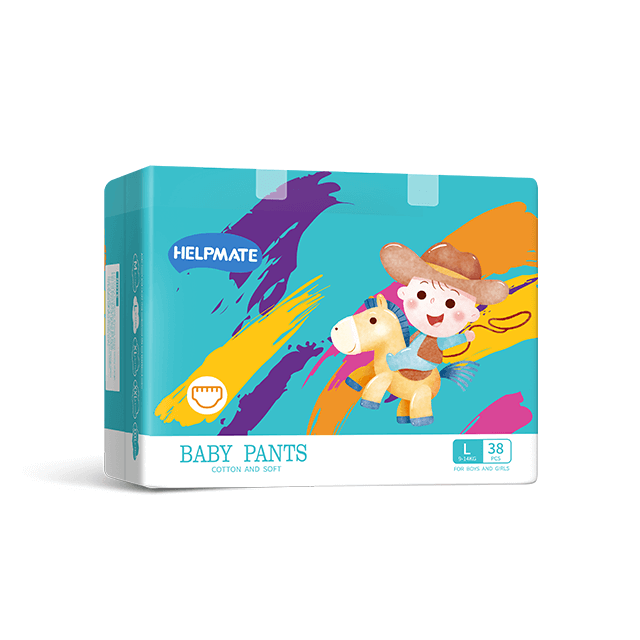
Baby training pants do more than just catch accidents. They play a key role in helping toddlers grow and parents manage potty training smoothly.
Training pants are designed like underwear, so toddlers can pull them up and down by themselves. This simple act builds confidence and independence. Kids get a sense of control over their bodies and routines, which motivates them to keep practicing potty skills. The elastic waistbands and stretchy materials make it easier for little hands to manage clothing without frustration.
One major benefit of baby training pants is their moderate absorbency. Unlike regular diapers, they allow toddlers to feel when they are wet. This sensation is crucial for potty training because it helps children connect the feeling of wetness with the need to use the toilet. When kids notice discomfort, they learn faster to recognize and communicate their bathroom needs.
Accidents happen, especially during early potty training. Training pants offer a balance between absorbency and leak protection. They catch small messes while still encouraging awareness. Many training pants include features like 3D leak-proof barriers and snug fits to prevent leaks during active play or naps. This reduces stress for parents and keeps toddlers comfortable.
Benefit | What It Means for Toddlers | What It Means for Parents |
Independence | Builds self-dressing skills | Less diaper-changing hassle |
Wetness Awareness | Connects sensation to potty use | Easier to spot readiness signs |
Leak Protection | Keeps clothes and environment clean | Fewer laundry loads and messes |
Comfort and Fit | Supports active movement | Happier, less fussy toddler |
Potty training can be unpredictable and time-consuming. Training pants simplify the process by reducing the need for constant diaper changes. Their pull-up style means quick changes on the go, especially when toddlers resist lying down for diaper swaps. This convenience helps parents stay calm and responsive, making potty training less stressful for the whole family.
Some toddlers hate diaper changes and squirm or run away. Baby training pants solve this by letting toddlers stand and pull pants on or off themselves. This freedom reduces resistance and makes changes faster. The soft, breathable fabrics also keep sensitive skin comfortable, minimizing fussiness during changes.
Most babies begin wearing baby training pants between 18 and 36 months. This range aligns with when many toddlers start potty training. However, some active babies may use training pants earlier, around 8 to 12 months, especially if they are crawling or standing and need more mobility than regular diapers allow.
Several factors affect the right time to introduce training pants:
Physical readiness: Can the child walk steadily and pull pants up or down? These skills are essential for using training pants effectively.
Cognitive readiness: Does the toddler understand simple instructions like “sit down” or “take off your pants”? Awareness of bodily signals is key.
Behavioral readiness: Is the child showing interest in the potty or discomfort when wet? These signs often indicate readiness to start potty training.
The age to start using training pants can vary widely depending on cultural norms and parenting approaches. In some cultures, early potty training is common, leading to earlier use of training pants. Others may wait longer, focusing on the child’s cues rather than age.
Age Range | Typical Use Case | Influencing Factors |
8 to 12 months | Active babies needing more mobility | Physical activity, early independence |
18 to 36 months | Most toddlers starting potty training | Physical, cognitive, behavioral readiness |
3 to 4 years (later) | Children with delayed readiness | Individual development, cultural norms |
Quanzhou Tianjiao Lady & Baby’s Hygiene Supply Co., Ltd. recommends focusing on readiness signs over strict age limits. Their baby training pants are designed to support toddlers from about 8 months up to 3 years old. Key readiness indicators include:
Staying dry for two hours or longer
Showing discomfort when wet and asking for a change
Following simple commands
Imitating adults using the toilet
Tianjiao’s products feature an elastic waist and easy-tear sides, making them ideal for toddlers gaining independence during potty training.
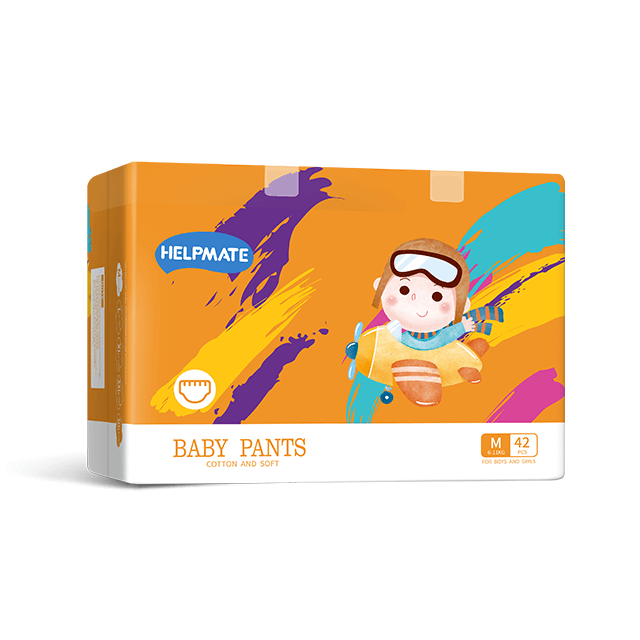
Knowing when your baby is ready for baby training pants can save a lot of frustration. Age matters less than certain physical, behavioral, and emotional signs that show readiness.
One key physical sign is that your child can stay dry for two or more hours. This shows growing bladder control. Regular bowel movements also indicate the body is settling into a routine. These factors suggest your toddler might handle training pants well.
Look for behaviors like showing discomfort when wet. If your toddler fusses or asks for a diaper change, it’s a good sign. Interest in the potty or imitating adults using the toilet also points to readiness. Following simple instructions like “sit down” or “pull down your pants” is another important cue.
Your child’s curiosity about bathroom habits and desire for independence are equally important. Toddlers who want to do things on their own are more likely to embrace training pants. This emotional readiness helps them stay motivated during potty training.
Readiness Type | Key Indicators | Why It Matters |
Physical | Dry for 2+ hours, regular bowel movements | Shows control over bladder and bowels |
Behavioral | Discomfort when wet, potty interest, follows instructions | Indicates understanding and cooperation |
Emotional | Curiosity, independence desire | Motivates consistent potty training |
Tianjiao emphasizes that readiness matters more than age. Some toddlers start as early as 8 months, others closer to 3 years. Watching for these signs is better than relying on a calendar. Their baby training pants support a wide age range, helping toddlers at different readiness stages.
Tianjiao highlights the ability to follow simple instructions and imitate adults as crucial readiness markers. Their training pants feature easy-tear sides and elastic waistbands to support toddlers learning self-dressing skills. This design encourages independence and makes potty training less stressful for parents and kids alike.
Recognizing these signs helps parents know when to introduce baby training pants. It’s about matching the child’s development and motivation, not just hitting an age milestone.
A: No, training pants are less absorbent to help babies feel wetness and learn potty habits. Pull-ups are more like diapers, highly absorbent, and may slow potty training.
A: Yes, waterproof training pants can be used overnight once daytime dryness is regular, but night dryness usually comes later.
A: Most parents find 7-10 pairs sufficient for frequent changes and laundry cycles.
A: Yes, training pants support gradual potty learning by encouraging awareness and independence during setbacks.
A: Training pants suit most toddlers ready for potty training, especially active ones needing better mobility than diapers.
Potty training takes patience and flexibility from parents. Every child learns at their own pace. Enjoy this important milestone with your baby. If you have questions or experiences, feel free to share them. Baby training pants can make the journey easier and more confident for both of you.